 Emergency:
  WhatsApp



Subscribe to our
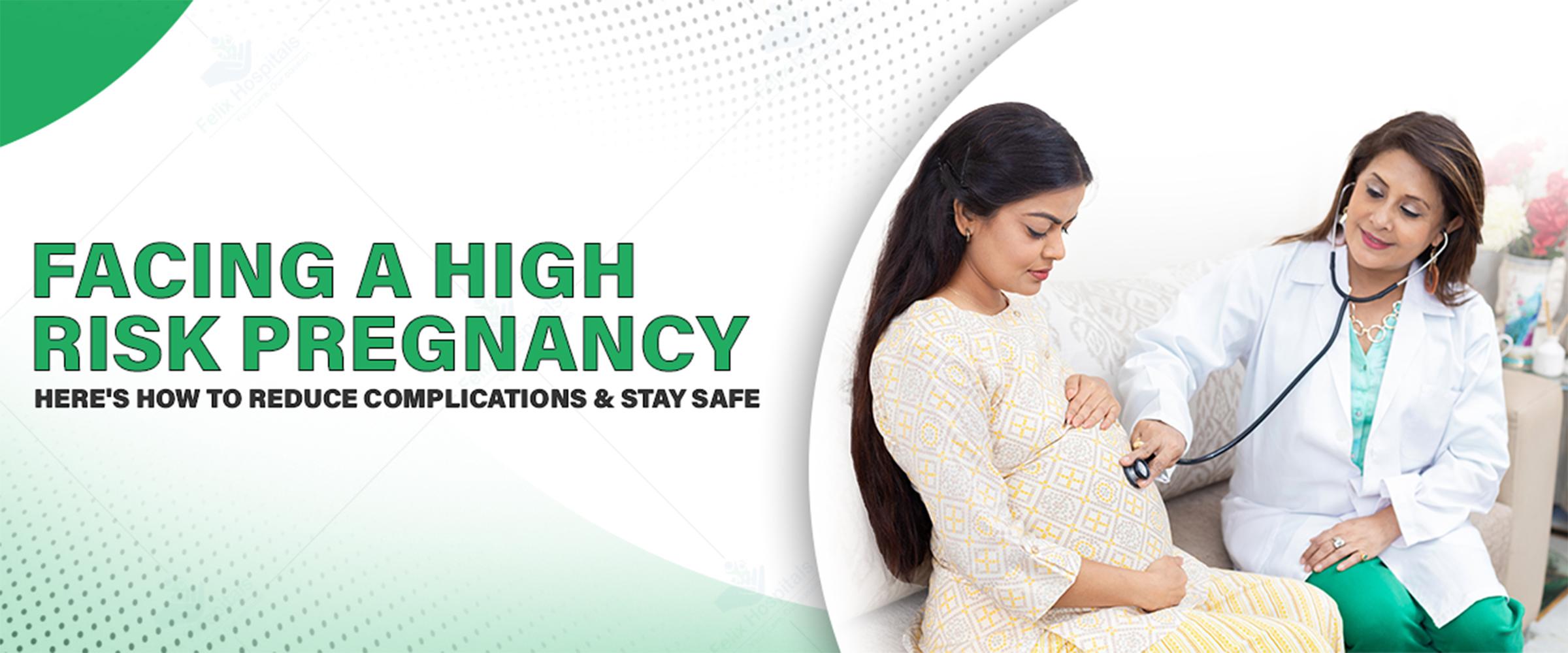
The health issues of pregnancy require special care to ensure the safety of a mother and a child. Women in Noida experiencing challenging pregnancies should seek pregnancy complications treatment in Noida and consider care at a trusted high-risk pregnancy hospital in Noida. Effective surveillance, lifestyle changes, and medical assistance may go a long way in minimizing threats and enhancing results.
Experiencing pregnancy difficulties? Receive the best obstetrician advice on time call +(91)9667064100.
What is considered a high-risk pregnancy? High-risk pregnancy refers to the pregnancy that carries more health risks to the mother, the fetus, or both. These may be pre-existing medical conditions, like diabetes or hypertension, maternal age (below 17 years or above 35 years), obesity, multiple pregnancies (twins, triplets), or pregnancy complications in the past (miscarriage, preterm labor). The pregnancy-related complications such as placenta previa or gestational diabetes can also be considered risk factors.
A high-risk pregnancy is something that should be managed carefully. The first step is how to reduce complications in high-risk pregnancy by establishing open communication with your health care providers and adhering closely to a customized care plan. This could include increased prenatal visits, lifestyle training, and disease management. Complications are also avoided by lifestyle changes including proper nutrition, proper hydration and sleep.
The use of physical activity with the consent of a healthcare provider can be used to sustain cardiovascular health and decrease stress. Keep away of substances that are harmful such as tobacco, alcohol and illicit drugs. Stress management by relaxation methods helps to facilitate the wellbeing of pregnancy.
Successful pregnancy hinges on daily care and precautionary steps. Tips for staying safe during high-risk pregnancy include:
Do not miss any prenatal check-ups as regular check-ups provide early warning.
Inform about such signs as excessive bleeding, terrible headaches, or eye changes right away.
Take long term medications prescribed because of chronic conditions or pregnancy complications.
Eat healthy foods with high content of fruits and vegetables, low fat proteins and vitamins.
Keep yourself hydrated and do not go on any long outings or over exert yourself.
Do not smoke, drink, and use unapproved drugs.
Establish emotional support systems with partners, family and support groups.
Relaxation techniques such as deep breathing, meditation or prenatal yoga.
Identifying warning signs of complications in high-risk pregnancy early is crucial to prevent maternal or fetal harm. Urgent symptoms to watch for include:
Vaginal discharge or leakage of fluid.
Extreme, chronic headaches or blurred vision.
Swollen face, hands or legs all at once.
The pain that is experienced in the abdomen or uterine contractions are frequent.
Slow movement or no movement of the fetus.
Fever, chills or unexplainable dizziness.
Imprecision in the chest or shortness of breath.
The most important thing is medical attention when such symptoms occur.
Close surveillance through high-risk pregnancy monitoring and tests helps clinicians detect subtle complications. Common tests include:
Blood and urine tests to test general health and rule out infections or other conditions such as gestational diabetes.
Frequent ultrasound (rather than regular pregnancies) to check the development of the fetus, the volume of amniotic fluid, and the location of the placenta.
To note fetal heart rate responses to movement, non-stress tests (NST) are performed.
Ultrasound plus NST: A biophysical profiling of fetal wellbeing.
Genetic screening in the form of specialized tests such as amniocentesis or chorionic villus sampling when necessary.
Pregnant women at risk of preeclampsia may be advised to do home blood pressure monitoring.
The tools help to intervene early and tailor care plans to maximize safety.
Planning safe delivery options for high-risk pregnancy involves assessing risks to both mother and fetus. Facilities like a high-risk pregnancy hospital in Noida offer options including:
Delivery in a hospital by a trained multidisciplinary team that is on call to deal with complications.
Planned cesarean section in cases of vaginal birth which is dangerous (placenta previa, fetal distress).
Pregnancy continuation which risks health: Labor induction to deliver on time.
Availability of neonatal intensive care unit (NICU) to infants in need of special postnatal care.
Good communication and preparation will help mothers to know the birth plan and will be confident during labor.
Proper management should begin before pregnancy or during the first trimester. Healthy practices like addressing chronic illness, being up to date on vaccinations and healthy habits help decrease risks. Women who carry multiples or had had a previous pregnancy loss are in need of specialized counseling. Prenatal care that starts at early stages provides the foundation of the evaluation and caters to the trust with the caregivers.
Book your appointment with our high-risk pregnancy specialists at +(91)9667064100.
In order to deal with a high-risk pregnancy, one needs to be vigilant, seek expert guidance, and practice healthy daily habits to minimize possible complications. Families in Noida can access better care through specialized pregnancy complication treatments and high-risk pregnancy hospitals offering advanced monitoring and timely interventions.
Consulting the Best Gynecologists in Noida ensures expert assessment and personalized care throughout the pregnancy journey. Recognizing what is considered a high-risk pregnancy, understanding how to reduce complications, and following safety tips for high-risk pregnancy form the foundation for positive outcomes. Awareness of warning signs, regular monitoring, and discussing safe delivery options with experienced gynecologists help ensure the safety of both mother and baby. A healthy pregnancy and childbirth become achievable through preparation, awareness, and collaboration with trusted medical experts.
Q1: Is it possible to deliver normally and have high-risk pregnancy?
Ans: Yes, however it will depend on your unique circumstances that your care team will decide on the safest method of delivery.
Q2: In what ways should I be worried about bleeding in pregnancy?
Ans: When having vaginal bleeding during pregnancy, you need to notify your healthcare provider as soon as possible.
Q3: What can I do to eliminate stress with a high-risk pregnancy?
Ans: Practice relaxation methods such as meditation, deep breathing, and have a high level of social support.
Turner Syndrome can impact fertility and reproductive health, causing challenges with ovarian function, hormone production, and pregnancy for affected women.

Understand the primary causes of infertility in men and women. Learn about the medical, lifestyle, and hormonal factors that may affect your ability to conceive.

Subscribe to our
© Copyright 2026. All Rights Reserved by Felix Healthcare Private Limited
Design and development by :


 +(91)9667064100
 Emergency : +(91)9667064100