 Emergency:
  WhatsApp


Subscribe to our
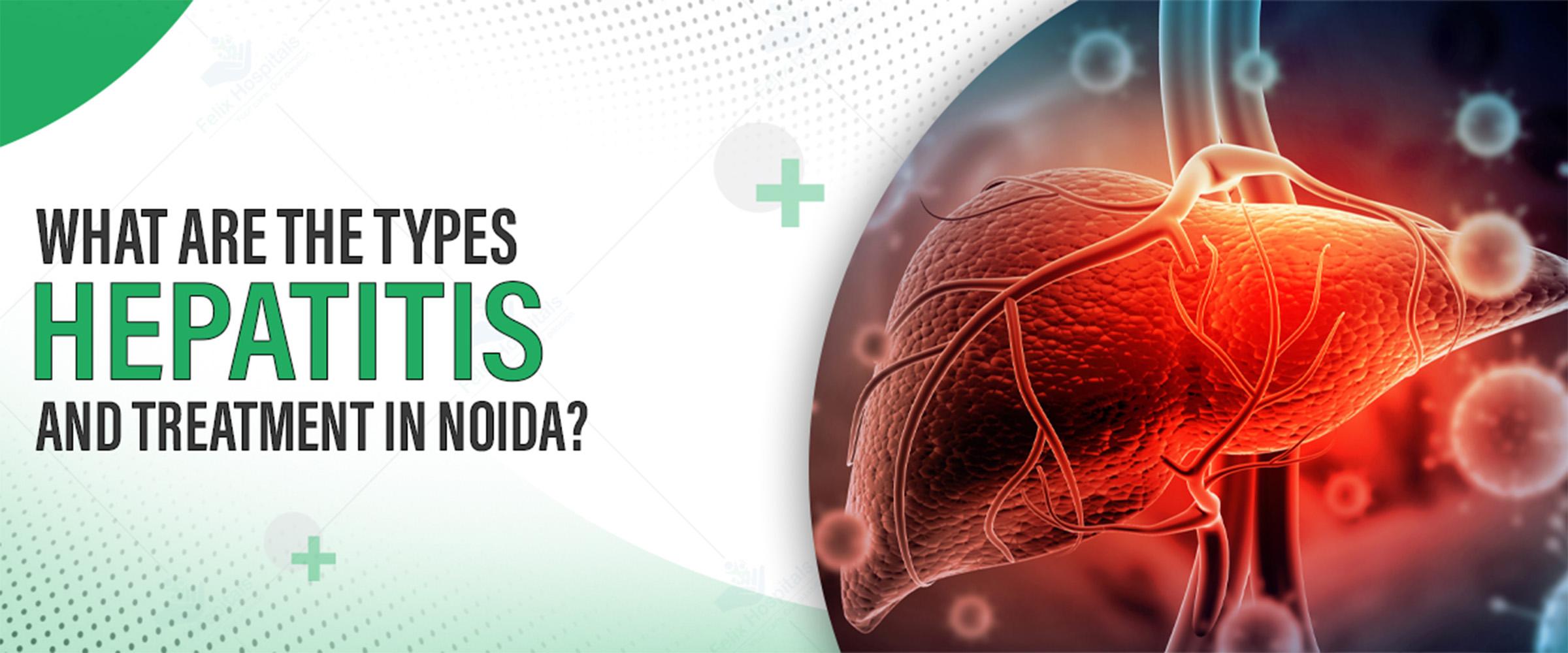
Hepatitis is a disease that makes the liver swell up. It is important to keep your liver healthy because it is important for digestion, detoxification, and the health of the whole body. Liver Specialist in Noida will tell you that there are many things that can cause hepatitis, but viral hepatitis, which is caused by different viruses, is the most common difference between Hepatitis A, B, C, D, and E, the five main types of hepatitis. The way each type spreads, how bad it is, and how it's treated are all different. Let's learn more about them also the hospital for hepatitis treatment in Noida.
Don’t ignore signs of Hepatitis. Get early diagnosis and advanced treatment Call at +91 9667064100.
Hepatitis is when the liver gets inflamed, which can make it not work right. It can be short-lived (acute) or long-lasting (chronic). Hepatitis can be caused by viral infections, drinking too much alcohol, taking certain medications, or an immune system that is too active and attacks the liver.
Difference between hepatitis A, B, C, D, E are as follows:
How it spreads: by eating or drinking contaminated food or water or being close to someone who is sick.
Common in: Places with bad sanitation or when travelling to those places.
Signs include tiredness, nausea, stomach pain, dark urine, and yellowing of the skin (jaundice).
Treatment: There is no need for a specific medicine. Most people get better on their own in a few weeks.
Prevention: There is a vaccine that works and is safe. It can be stopped by keeping clean and washing your hands.
How it spreads: through infected blood, semen, or other body fluids, or by a needle prick. It can also be passed from mother to child during birth.
Risk groups: Having sex without protection, sharing needles, or being around sick people in a healthcare setting.
Symptoms: Most people don't have any, but it can become long-lasting and hurt the liver over time.
Antiviral drugs can help with the infection. Chronic cases may need to be watched for the rest of their lives.
To know Can hepatitis B be cured permanently you should know that there is a vaccine available to stop this from happening. Not doing things that are dangerous.
To know which type of hepatitis is most dangerous it is Hepatitis C. It spreads mostly through contact with blood. This includes sharing needles, getting blood transfusions that haven't been screened, or using infected needles for haemodialysis.
Usually quiet: A lot of people don't show symptoms until their liver is very damaged.
Signs: tiredness, joint pain, loss of appetite, and liver problems in later stages.
New antiviral drugs can now cure most cases of Hepatitis C.
No vaccine yet for prevention. The most important thing is to avoid touching infected blood.
How it spreads: Only people who already have Hepatitis B are affected. It spreads when you touch blood that is infected.
Most of the time, there are no symptoms, but this can cause liver disease to get worse and faster than HBV alone.
Treatment: There is no specific treatment, but controlling Hepatitis B can help stop HDV.
The Hepatitis B vaccine protects against HDV in an indirect way.
How it spreads: by drinking water that has the virus in it. It happens more often in developing countries.
Pregnancy risk: This can be very bad for pregnant women, especially in the third trimester.
Symptoms: Fever, tiredness, and jaundice, which are the same as Hepatitis A.
Treatment: Usually gets better on its own with rest and drinking enough water.
To stay healthy, you need to drink clean water, eat clean food, and practise good hygiene.
Causes of hepatitis A, B, C, D, E are as follows:-
Drinking too much alcohol
Some medicines or poisons
Autoimmune diseases, in which the immune system attacks liver cells
Fatty liver disease, which can also cause inflammation of the liver
There are a lot of symptoms that are the same for all types of hepatitis. These might be:
Feeling tired or weak
Not wanting to eat
Skin and eyes turning yellow (jaundice)
Urine that is dark in colour
Pain in the stomach
Feeling sick or throwing up
In the early stages, people may not show any signs of illness.
Some people are more likely to get hepatitis than others. These people are:
People who use drugs by injecting them or sharing needles
People who have sex with more than one partner without protection
Healthcare workers who came into contact with blood
Babies born to mothers who are sick
People who go to places with bad sanitation
People who get blood transfusions or organ transplants without being screened
To find out if someone has hepatitis, doctors may do the following tests:
Blood tests to find viral DNA or antibodies
Tests of liver function to see how well your liver is working
Ultrasound or imaging to look for signs of liver damage
In some cases, a liver biopsy is needed to check for inflammation or scarring.
Finding it early can help stop damage from getting worse.
The kind and severity of hepatitis will determine the How long does hepatitis treatment take:
Hepatitis A and E: They usually go away on their own if you get enough rest, drink enough water, and eat well.
Hepatitis B: In some cases, long-term antiviral therapy may be needed to keep the liver from getting worse.
Hepatitis C: New antiviral drugs can often cure it.
Hepatitis D: Controlled by keeping Hepatitis B in check. There isn't a specific cure yet.
To know Is hepatitis curable completely you should take supportive care including making changes to your lifestyle, staying away from alcohol, and going to the doctor regularly.
Do you know which doctor treats hepatitis? Hepatitis is managed by a gastroenterologist or Liver Specialist in Noida you may find an or general practitioner who can diagnose the condition
It is better to stop hepatitis than to treat it. This is how you can stay safe:
Get shots for Hepatitis A and B.
Have safe sex
Don't share needles or personal items like toothbrushes or razors.
Drink clean water and eat food that has been cooked well.
Be careful with blood and other body fluids, especially in hospitals.
Wash your hands frequently to reduce the risk of fecal-oral transmission.
Secure your liver health with timely Hepatitis care in Noida. Book your consultation at +91 9667064100.
And if you want to protect your liver and your general health, it’s a good idea to know about the various types of hepatitis, how they spread and how to prevent becoming infected with them. If you are at risk, discuss with your doctor about being tested and vaccinated.
Q1: Can food spread hepatitis?
Ans: Yes, Hepatitis A and E can be transmitted through food or water that is contaminated with the virus.
Q2: Does hepatitis cause liver cancer?
Ans: People with chronic hepatitis B and C are more likely to get liver cirrhosis and liver cancer.
Q3: Is it possible to get hepatitis from a tattoo or piercing?
Ans: Yes, there is a chance of blood-borne hepatitis if the tools are not cleaned well.
Q4: Is hepatitis only a problem for adults?
Ans: No, it can affect people of all ages, even babies and kids.
Q5: Is it possible for someone to fully recover from hepatitis?
Ans: Yes, especially when it comes to Hepatitis A and E. Early diagnosis and treatment also make things better for chronic types.


Subscribe to our
© Copyright 2026. All Rights Reserved by Felix Healthcare Private Limited
Design and development by :


 +(91)9667064100
 Emergency : +(91)9667064100