 Emergency:
  WhatsApp


Subscribe to our
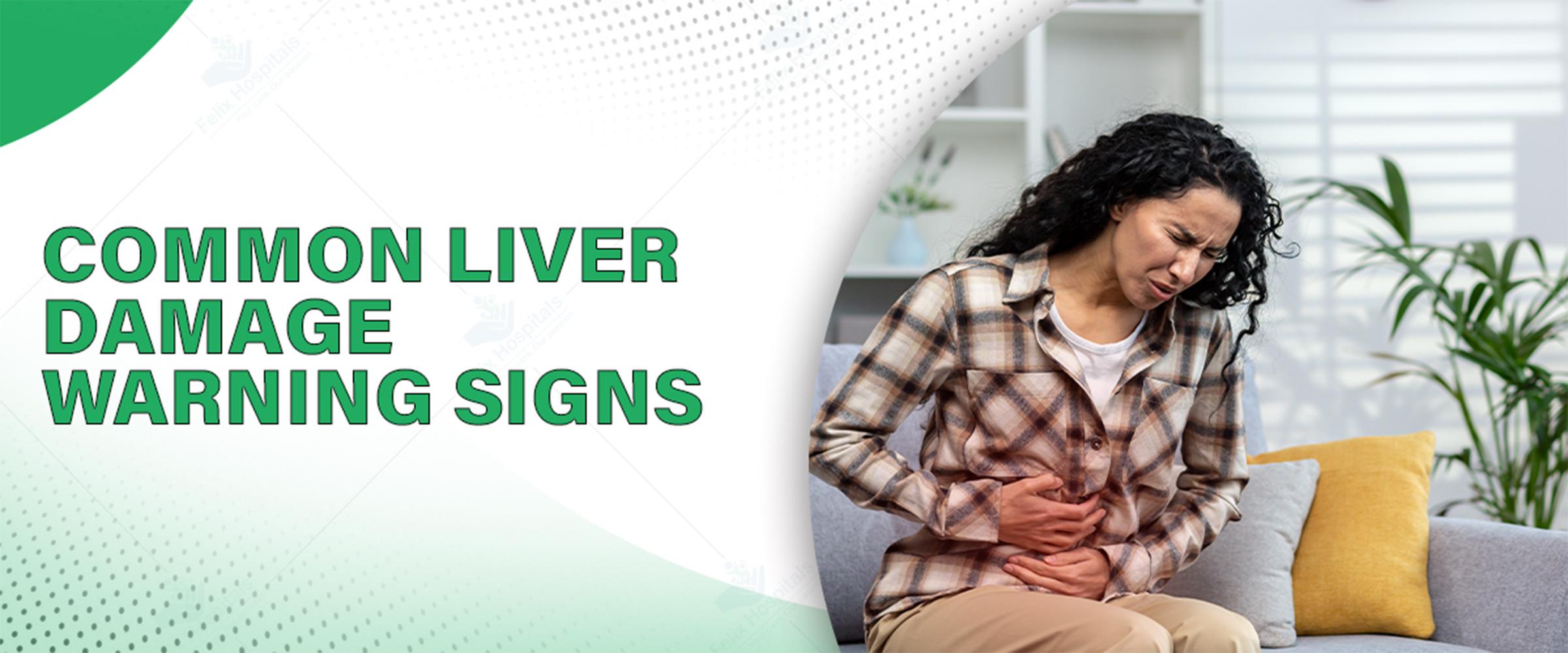
The liver is one of the body's most important organs, It is purifying blood, digesting nutrients, and helps in digestion. Regardless of its strength, the liver is extremely susceptible to being damaged by the habits we lead, infections, and underlying diseases. Being aware of the early signs of liver damage can be the difference between appropriate and on-time treatment and severe complications.
Unfortunately, individuals neglect slight signs, which eventually develop into life-threatening situations. Early detection, on-time diagnosis, and appropriate care are the solutions for keeping the liver healthy and preventing irreparable harm. For individuals who have recurring signs, alternative solutions such as liver damage treatment Noida are specialized and effective.
If you have experienced yellow eyes, or persistent discomfort in the abdomen, don't hesitate—see a surgeon today. Call us now at +91 9667064100.
Liver injury is any condition that impacts the liver's structure and its function. The liver cleanses toxins away, synthesizes protein that is essential in clotting, and stores energy. The liver also governs hormones. As a result of being injured, these important functions are impaired. The loss may be slow, as in that associated with fatty liver disease, or rapid, as in that associated with drug poisoning or viral hepatitis. Eventually, if liver injury is left unchecked, that condition may evolve into cirrhosis, liver failure, or indeed liver carcinoma.
There are various reasons for liver lesions and frequently a mix between disease and personal habits:
Extreme Drinking – The habitual use of alcohol is one of the most common reasons for liver cirrhosis.
Fatty Liver Disease – Common with obesity, diabetes, and high cholesterol, fatty liver disease is growing more common.
Viral Diseases – Hepatitis A, B, and C viruses may result in chronic liver disease.
Medications and Toxins – Overuse of painkillers, certain antibiotics, or exposure to harmful chemicals may harm the liver.
Autoimmune Diseases – Conditions where the body's immune system attacks liver cells.
Lifestyle Variables – Nutritional deficiencies, sedentariness, and smoking are associated with a higher prevalence of liver disease.
Metabolic Diseases – Genetic diseases that affect the body's use of iron or copper could lead to liver disease.
It's challenging to tell if you have liver problems early on, so you have to be careful. The following are some typical red flags presented in question and answer format:
What are signs that a person may be experiencing liver damage?
Weakness, lack of energy, and unintentional weight loss are usually the initial signs.
How Can You Tell if You Have a Hurt Liver?
Symptoms include loss of appetite, nausea, dark stool, and dark urine and may be a sign of liver failure.
Does yellow eye indicate liver damage?
Yes. Yellowing of the eyes or skin (jaundice) occurs when bilirubin builds up in the blood due to poor liver function.
Is itching a symptom of liver disease?
Chronic itching, especially without a rash, could be an indicator for the body building up the bile due to liver scarring.
Other giveaway pointers:
Abdominal bloating or distension
Easy bruising or Bleeding
Swelling in the legs and ankles
Dizziness or memory problems in the later stages
If neglected, liver inflammation may lead to severe complications:
Cirrhosis – The liver scarring that cannot be reversed and destroys liver function.
Liver Failure – It is a terminal condition in which liver is unable to carry out its significant roles.
Liver Cancer – Chronic liver disease enhances the proneness for the occurrence of hepatocellular carcinoma.
Systemic Problems – Accumulations of fluid, problems with bleeding, and brain compromise from toxin accumulation.
Early detection of liver injury is important. Doctors perform various tests to verify the health of a liver:
Blood Tests – To check blood levels of liver enzymes and bilirubin.
Imaging — Ultrasound, CT and MRI scans show structural defects.
Liver Biopsy – Provides quantitative information regarding the damage severity.
Fibroscan – A newer non-invasive test for picking up liver firmness.
For patients needing specialized care, the facility liver damage treatment Noida offers expert opinions, diagnostic services and customized therapy options.
Treatment of liver damage varies according to the precise cause and when it is caught:
Medications — Antiviral medications for hepatitis, drugs to treat autoimmune liver disease and anti-inflammatory drugs.
Modify Your Lifestyle – Eat three meals a day, have safe sexual activity, and don't drink or smoke.
Nutritional Support – Vitamins and minerals in the context of deficiencies.
Advanced Treatments – In the most extreme cases, a surgery or liver transplant could be necessary.
Integrative Medicine – Learn yoga and other integrative therapies which can help you deal with stress and improve your health.
Because many liver diseases are caused by lifestyle choices, it is quite possible to avoid them:
Consume a healthy and balanced diet of fruits, vegetables, and lean proteins, less sugary, and processed food.
Keep a normal weight to cut the risk of fatty liver. Be vaccinated against hepatitis A and B.
Practice proper hygiene and don't share needles or personal items.
Get regular check-ups with a healthcare provider, especially if you have diabetes, high cholesterol, or a family history of liver disease.
The liver operates unobtrusively to facilitate thousands of essential life functions, yet its health is often ignored until the indications become extreme. From tiredness and itching skin to yellow eyes and a bloated stomach, these are indications that should never be neglected. Identifying the early signs of liver impairment, seeking timely diagnosis, and starting therapy promptly may avert life-threatening complications. Changes in lifestyle, medication, and referrals to specialists at Super Speciality Hospitals Near Noida can help manage more severe liver diseases effectively.
Keep in mind, the sooner you take steps toward liver care, the more likely you are on the path to recovery. Your liver condition has a direct impact on your overall well-being – safeguard it now for a healthier future.
Don't neglect liver symptoms. Consult a physician at the earliest and take preventive steps for optimum liver maintenance. For expert guidance, contact us at +(91) 96670 64100.
Find the links below:
Check the links below:
Q1. Early signs of liver damage include liver disease and liver failure.
Ans: Weakness, feeling sick, and yellowing skin or eyes are typical initial signs.
Q2. How would you be aware if your liver is hurt?
Ans: Blood and imaging can make a diagnosis, but nobody should overlook itching, bloating, or dark urine color.
Q3. Can liver impairment be detected early?
Ans: Yes, routine tests and liver function tests may show damage prior to worsening of symptoms.
Q4. Does yellow eyes predict liver damage?
Ans: Yes, it almost invariably means jaundice, an indication for inadequate liver function.
Q5. Does itching result from liver disease?
Ans: Chronic itching can be a sign of bile salt accumulation from liver problems.
Q6. What causes the most liver damage symptoms?
Ans: Drinking alcohol, hepatitis infections, fat liver disease, and obesity are the top causes.

Discover 11 expert tips to prepare for labour and delivery.
Jaundice Diet: Learn which foods support liver health and which to avoid for faster recovery.

Subscribe to our
© Copyright 2026. All Rights Reserved by Felix Healthcare Private Limited
Design and development by :


 +(91)9667064100
 Emergency : +(91)9667064100