 Emergency:
  WhatsApp

Subscribe to our
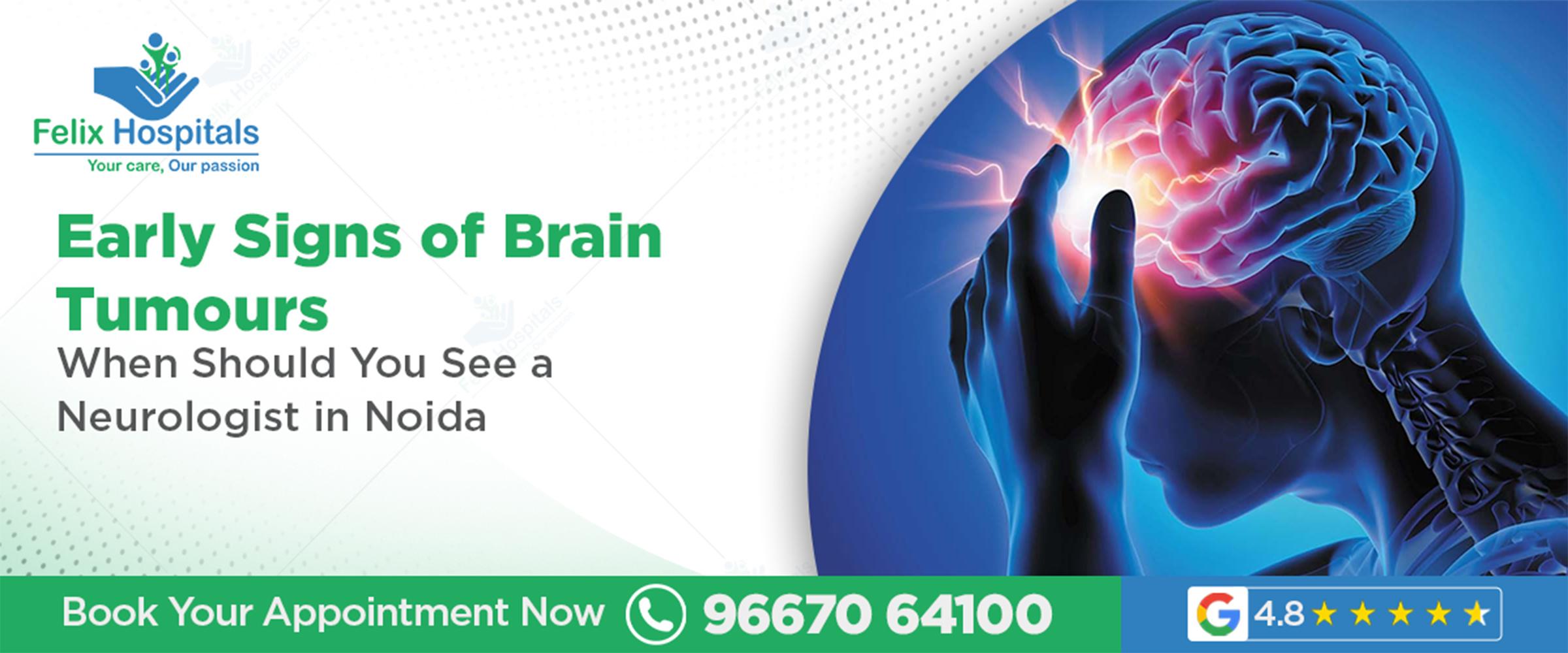
Brain tumours are abnormal growths of cells within the brain that can affect neurological function. While not all brain tumours are cancerous, their presence can lead to significant health complications if left undetected. Recognizing brain tumour symptoms early is essential for prompt evaluation and effective management. Adults in Noida who notice subtle neurological changes should consult a specialist to ensure early intervention.
If you are experiencing persistent headaches, vision changes, or unexplained neurological symptoms, call +91 9667064100 to book a neurologist appointment in Noida today.
Brain tumours can develop in various parts of the brain and may be primary (originating in the brain) or secondary (metastatic from other organs). They can grow slowly or rapidly, depending on the type. Common effects include pressure on surrounding brain tissue, disruption of normal brain activity, and impaired neurological function. Early diagnosis and treatment by a brain tumor specialist in Noida can prevent long-term complications and improve outcomes.
Several factors can contribute to the development of brain tumours:
A family history of brain tumours increases the likelihood of developing certain types of tumours. Individuals with genetic syndromes like Li-Fraumeni or Turcot syndrome are particularly at risk.
Exposure to radiation, certain chemicals, and prolonged occupational hazards may increase the risk of brain tumours.
Some brain tumours are more common in adults over 40, while certain types are more prevalent in males or females. Understanding these risks helps guide early screening by a brain tumor specialist in Noida.
Detecting brain tumours early significantly improves prognosis. The early signs of brain tumour often develop gradually and can be subtle:
Persistent or worsening headaches, often worse in the morning
Nausea and vomiting without an obvious cause
Seizures or convulsions
Vision problems, including blurred or double vision
Cognitive changes, such as memory loss or difficulty concentrating
Weakness or numbness on one side of the body
Speech difficulties or confusion
These symptoms are not always exclusive to brain tumours but should prompt evaluation by a qualified neurologist.
Immediate consultation with a neurologist is recommended if you experience:
Sudden, severe headaches or migraines
Unexplained seizures
Progressive weakness or coordination problems
Changes in vision, speech, or cognition
Persistent nausea, vomiting, or dizziness
Early medical attention allows for diagnostic imaging and intervention before tumours grow or complications arise. Patients can book a neurologist appointment in Noida to receive timely expert care.
Noticing persistent headaches, seizures, or neurological changes? Call +91 9667064100 immediately to consult a brain tumor specialist in Noida.
Accurate diagnosis is essential for proper treatment planning. Physicians typically employ several tools:
Doctors assess reflexes, muscle strength, coordination, and sensory responses to identify potential brain abnormalities.
MRI (Magnetic Resonance Imaging) and CT scans provide detailed images of brain structures and detect the presence, size, and location of tumours.
In cases where imaging suggests malignancy, a biopsy may be performed to confirm the tumour type and guide treatment decisions.
Blood tests may help evaluate overall health and identify potential secondary causes affecting brain function.
A thorough evaluation ensures that the brain tumor specialist in Noida can create a tailored treatment plan.
Treatment depends on the type, size, and location of the tumour, as well as the patient’s overall health:
Surgical removal is often the first option for accessible tumours. The goal is to remove as much of the tumour as safely possible while preserving neurological function.
High-energy radiation targets tumour cells, slowing growth or eliminating residual tumour tissue post-surgery.
Used for malignant tumours or in combination with surgery and radiation to control tumour growth.
Advanced therapies focus on specific tumour characteristics and the patient’s immune system for more precise treatment.
Post-treatment physiotherapy, speech therapy, and cognitive rehabilitation help patients regain functionality and improve quality of life.
While not all brain tumours can be prevented, certain measures support brain health:
Regular medical check-ups and neurological evaluations
Prompt attention to persistent neurological symptoms
Maintaining a balanced diet rich in antioxidants
Avoiding excessive exposure to environmental toxins and radiation
Managing chronic conditions like diabetes or hypertension
Routine monitoring by a brain tumor specialist in Noida can detect changes early and improve treatment success.
Felix Hospital offers a multidisciplinary approach to brain tumour management, combining neurologists, neurosurgeons, and rehabilitation specialists under one roof. The hospital provides advanced diagnostic facilities, personalized treatment plans, and continuous follow-up to optimize patient outcomes. With a patient-centric approach, Felix Hospital ensures timely intervention and comprehensive care for patients in Noida.
Early recognition of brain tumour symptoms and timely consultation with a neurologist are critical for effective treatment and improved recovery. Subtle signs like persistent headaches, seizures, cognitive changes, or weakness should never be ignored. Expert care from a brain tumor hospital in Noida ensures accurate diagnosis, advanced treatment options, and supportive rehabilitation, improving quality of life and long-term outcomes.
For expert evaluation and early intervention for brain tumors, call +91 9667064100 today to book a neurologist appointment at Felix Hospital in Noida.
FAQs
Q. 1. What are the early warning signs of a brain tumour?
Ans. Persistent headaches, seizures, vision problems, and cognitive changes are common early signs.
Q. 2. How soon should I see a neurologist if I notice symptoms?
Ans. Seek consultation immediately if symptoms are persistent, worsening, or sudden.
Q. 3. Can all brain tumours be treated successfully?
Ans. Treatment success depends on tumour type, location, and timely intervention by a specialist.
Q. 4. Are brain tumours always cancerous?
Ans. No, some tumours are benign, but all require evaluation to prevent complications.
Q. 5. What tests are necessary for diagnosis?
Ans. MRI, CT scans, neurological exams, and sometimes biopsy are standard for accurate diagnosis.
A concise guide explaining brain tumor surgery cost in Noida, including key factors, treatment options, and expert care.
Advanced neurosurgery improves treatment for brain and spine disorders with better outcomes.
Recognizing neurological warning signs early can be life-saving. Learn when symptoms like frequent headaches, dizziness, memory loss, or numbness mean it’s time to consult a neurologist.


Subscribe to our
© Copyright 2026. All Rights Reserved by Felix Healthcare Private Limited
Design and development by :


 +(91)9667064100
 Emergency : +(91)9667064100