 Emergency:
  WhatsApp




Subscribe to our
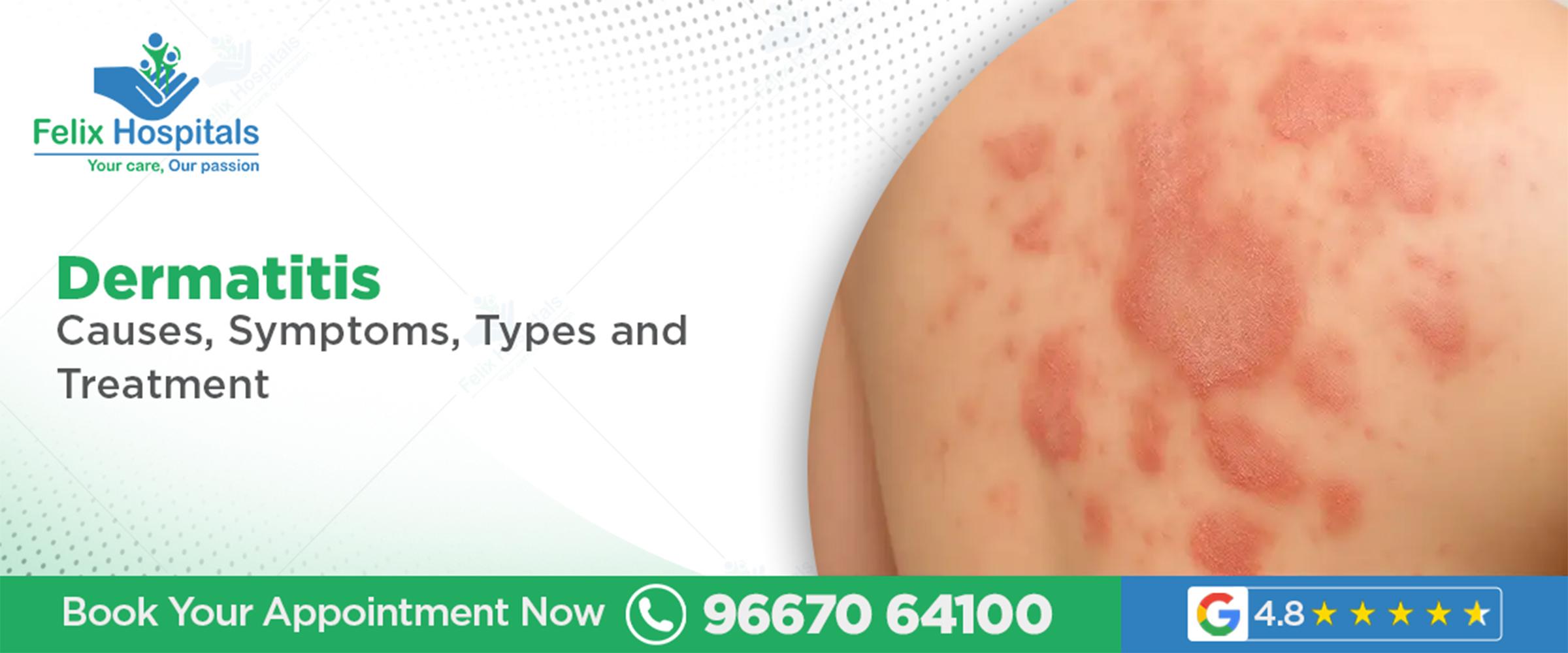
Skin problems are one of the most common health issues that people of all ages face. Dermatitis is a common condition that dermatologists treat. It is a general term for skin inflammation that can cause redness, itching, swelling, or rashes. Dermatitis isn't usually life-threatening, but if it's not treated properly, it can have a big impact on your quality of life, sleep, confidence, and daily comfort. A lot of people think Dermatitis is the same as an infection or an allergy, but it can be caused by a number of things and comes in different forms, each needing a different treatment.
Getting timely care at the Best Dermatology Hospital in Noida and seeing the Best Dermatologist in Noida can help you avoid problems and long-term skin damage. This in-depth guide goes over everything you need to know about Dermatitis, including what causes it, what the Dermatitis symptoms are, what Types of dermatitis there are, how to diagnose it, how to treat it, and how to avoid getting it in the first place.
Get expert care and long-term relief from dermatitis with the right diagnosis and treatment plan. Book your appointment now at +91 9667064100 and take the first step towards healthy skin.
Dermatitis is when the skin gets inflamed because of irritation, allergies, genetics, or the immune system. It is not contagious, but many people have it all the time or get it again and again. Dermatitis can happen anywhere on the body, including the face, scalp, hands, feet, and even eyelids.
The condition may show up all of a sudden after being exposed to a trigger, or it may get worse over time. Some cases are mild and go away quickly, while others need to be managed for a long time.
There are many things that can cause Dermatitis, and finding the exact cause is important for treatment to work. Some of the most common causes are:
Skin inflammation can happen when you come into contact with allergens like cosmetics, perfumes, metals (nickel), or plants.
The skin barrier can be damaged by harsh soaps, detergents, chemicals, and pollution.
People who have eczema often have skin barrier problems that run in their families.
Chronic inflammation may be caused by autoimmune responses.
Cold weather, dry air, and heat can make symptoms worse.
It's well known that emotional stress can cause flare-ups.
Recognising the early signs of Dermatitis symptoms can help keep it from getting worse and spreading. Symptoms differ based on the type, but they often include:
Swelling and redness
Skin that is dry or flaky
Strong itching
Blisters or leaking
Skin that is thickened or cracked
Feeling like it's burning or stinging
Symptoms may come and go and get worse during flare-ups.
There are different Types of dermatitis, and each one has its own causes and signs.
The most common long-term type, which usually starts in childhood. It usually happens on the face, neck, elbows, and knees.
Happens when the skin comes into contact with allergens or irritants like soaps, jewellery, or chemicals.
It usually affects oily areas like the scalp, eyebrows, and sides of the nose, making them red and flaky.
Characterized by irritated skin that looks like coins.
It happens because blood doesn't flow well, especially in the lower legs.
Makes small, itchy blisters on the hands and feet.
Some people are more likely to get Dermatitis:
People who have asthma or allergies
People whose skin is easily irritated
People who work in healthcare and cleaning who are around chemicals
People whose immune systems aren't working well
Kids and older people
Dermatologists figure out if someone has Dermatitis by:
Examination of the skin by touch
Checking the medical history
Testing for allergies with patches
Blood tests (if necessary)
Skin biopsy only in rare cases
Early diagnosis leads to better outcomes and stops problems from happening.
The goal of Dermatitis treatment is to lower inflammation, stop itching, and stop flare-ups. The kind and severity of the problem will determine the treatment.
Corticosteroids for the skin-Antihistamines to stop itching
Antibiotics to treat infections-In severe cases, immunosuppressants are used.
Therapy with Moisturizers-Using thick moisturizers on a regular basis fixes the skin barrier.
Therapy with Light-Phototherapy is helpful for people with severe or long-term eczema.
Changes to Your Lifestyle-Avoiding triggers and following a skincare routine can help things get better.
To treat Skin inflammation treatment effectively, you need to fix the skin barrier and calm down the immune system. Dermatologists often say:
Skincare products that don't have any scent
Take lukewarm showers instead of hot ones.
Soft cleansers
Not scratching or rubbing
Consistency is the most important thing for long-term growth.
An Itchy skin rash is one of the most upsetting symptoms because it can make it hard to sleep and go about your day. Here are some tips for dealing with itching:
Putting cold compresses on
Wearing cotton clothes that are loose
Short nails
Applying creams to stop itching
Keeping from sudden changes in temperature
Dermatitis, especially eczema, is a common problem for kids. Some of the symptoms are:
Red spots on the scalp and cheeks
Itching at night
Dry and cracked skin
Parents should use gentle skin care products and see a doctor as soon as possible.
Dermatitis can cause the following problems if not treated:
Infections of the skin
Skin thickening that lasts forever
Scarring or discolouration
Problems with sleep
Anxiety or depression because of long-term pain
Daily care is very important for keeping flare-ups from happening:
Routine for taking care of your skin
Use cleansers that are gentle
Put on moisturiser twice a day.
Stay away from harsh scrubs.
Clothes Choices
Wear fabrics that let air through
Stay away from wool and synthetic fibers.
Changes in the environment
Use humidifiers when the air is dry.
Don't go to extremes with the temperature
Diet and Dermatitis
Some foods can make sensitive people flare up:
Milk products
Shellfish and nuts
Food that has been processed
Too much sugar
A healthy diet that includes omega-3 fatty acids and antioxidants is good for your skin.
If you have any of the following, see a specialist:
Symptoms last longer than two weeks.
Rash spreads quickly
Severe itching keeps you from sleeping.
Fever, pus, and swelling are signs of an infection.
Early treatment stops long-term problems.
To keep Dermatitis from getting worse, you need to make long-term changes:
Find and stay away from triggers
Keep your skin hydrated
Keep your stress levels in check
Follow the treatments that have been given to you
Put on sunscreen every day
Dermatitis can last a long time, but it is possible to manage. Most patients get a lot better and live comfortably with the right care plan. Regular dermatology check-ups make sure that monitoring and treatment changes are done correctly.
Struggling with itching, rashes, or recurring skin irritation? Don’t ignore the signs. Call +91 9667064100 today to consult a skin specialist and get personalised treatment.
Dermatitis is a common but hard-to-understand skin condition that needs to be treated right away. Recognising symptoms early, figuring out what causes them, and sticking to a regular skincare routine can make a big difference. The Best Dermatologist in Noida and the Best Dermatology Hospital in Noida can help you get the right diagnosis, treatment for dermatitis, and long-term relief.
The first steps to having healthy skin are being aware, preventing problems, and getting professional care. If you or someone you care about has skin irritation that won't go away, the first thing you should do is see a doctor right away.
Basic skin care and avoiding triggers may help mild cases, but most types of dermatitis need the right treatment to keep them from coming back and getting worse. Ignoring symptoms can cause skin problems that last a long time.
Depending on how bad the pain is, many patients start to feel better in a few days to weeks. But to keep flare-ups from happening, long-term care is often necessary.
No, dermatitis is not something you can catch from someone else. You can't catch it by touching someone or sharing personal items, but the rash could spread on your own body if you don't treat it.
Yes, stress is a big cause. It can make inflammation and itching worse, which can cause flare-ups to happen more often or be worse. Stress management is an important part of keeping symptoms under control.
Yes, you need to take care of your skin all the time. Even when symptoms get better, sticking to a gentle and regular routine helps keep the skin barrier healthy and stops relapses.
Dr. Tarun Gupta is an experienced Dermatologist with 17+ years of expertise in treating skin, hair, and nail conditions, along with advanced cosmetic dermatology procedures.

If your answer is yes, then, here are 6 easy steps to keep your skin look young and glowing.
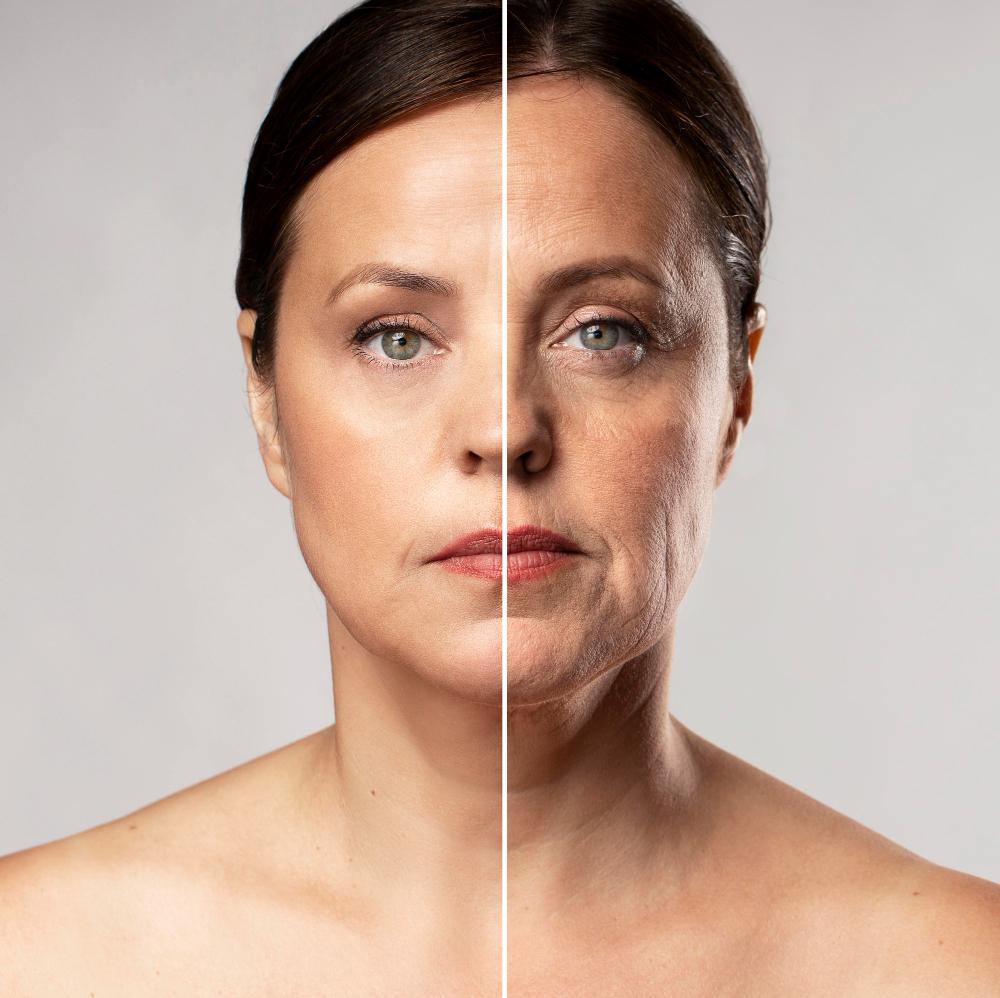
Certain skin disorders aren’t preventable, including genetic conditions and some skin problems due to other illnesses.


Subscribe to our
© Copyright 2026. All Rights Reserved by Felix Healthcare Private Limited
Design and development by :


 +(91)9667064100
 Emergency : +(91)9667064100