 Emergency:
  WhatsApp

Subscribe to our
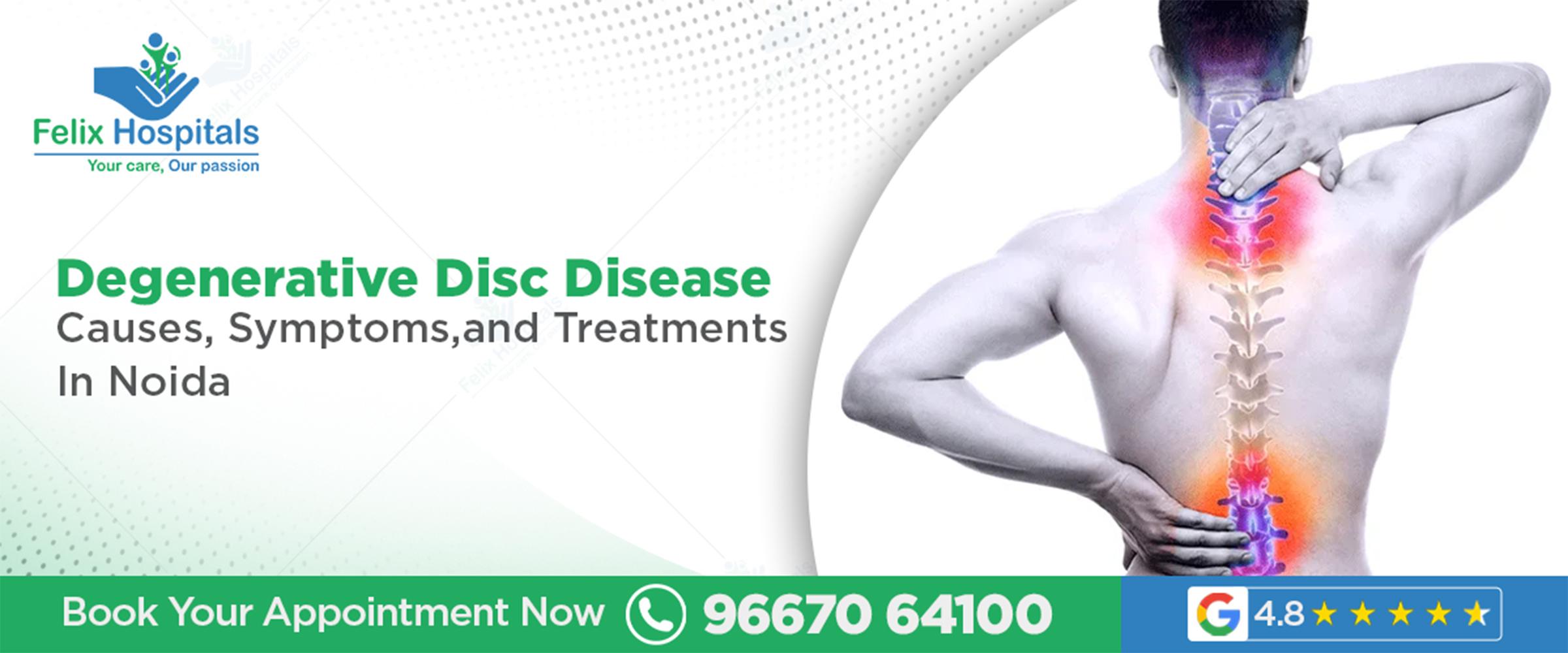
Back and neck pain are among the most common reasons people seek orthopedic care, especially as they age. One of the leading causes behind chronic spinal discomfort is Degenerative Disc Disease, a condition linked to gradual wear and tear of the spinal discs. While the name may sound alarming, it does not always indicate severe disability. With timely diagnosis and appropriate treatment, many patients can manage symptoms effectively and maintain a good quality of life.
Understanding Degenerative Disc Disease and knowing when to seek medical help is essential for long-term spinal health.
For a comprehensive spine evaluation at the best hospital for Degenerative Disc Disease in Noida, call +91 9667064100 to book a consultation.
Degenerative Disc Disease refers to age-related changes in the intervertebral discs that act as cushions between the bones of the spine. Over time, these discs may lose hydration, flexibility, and height, reducing their ability to absorb shock. This degeneration can lead to pain, stiffness, or nerve compression.
Although disc degeneration is a natural part of aging, not everyone experiences symptoms. When pain or functional limitation occurs, medical evaluation becomes necessary.
Several factors contribute to the development of disc degeneration. Common Degenerative Disc Disease causes include:
In urban environments like Noida, sedentary lifestyles and long hours of sitting further increase the risk.
The intensity of symptoms varies widely from person to person. Typical Degenerative Disc Disease symptoms include:
Pain may fluctuate, with periods of discomfort followed by relief, making early diagnosis important.
Accurate diagnosis begins with a detailed medical history and physical examination. Orthopedic specialists may recommend:
These tests help determine the severity of degeneration and guide the most effective Degenerative Disc Disease treatment plan.
Most patients respond well to conservative, non-surgical care, especially in early or moderate stages.
Pain relievers, anti-inflammatory drugs, and muscle relaxants may be prescribed to control symptoms and improve mobility.
Targeted exercises strengthen core muscles, improve posture, and reduce strain on the spine. Physiotherapy is a cornerstone of long-term recovery.
Weight management, ergonomic adjustments at work, and quitting smoking significantly reduce symptom progression.
These approaches form the first line of Degenerative Disc Disease treatment and often prevent the need for surgery.
For patients with persistent pain, doctors may suggest:
These procedures reduce inflammation around affected nerves and provide longer-lasting pain relief.
Surgery is recommended only when conservative treatments fail or when neurological symptoms worsen. Indications include:
In such cases, Degenerative Disc Disease surgery may provide lasting relief and restore function.
The choice of surgery depends on disc location, severity, and overall health of the patient. Options include:
Specialized centers offering Degenerative Disc Disease surgery in Noida focus on precision, safety, and faster recovery.
Recovery varies based on treatment type. Non-surgical patients may resume daily activities with guided physiotherapy, while surgical patients require structured rehabilitation.
Consistent follow-up ensures sustained symptom control and prevents recurrence.
While aging cannot be stopped, progression can be slowed through:
Preventive care plays a key role in maintaining spinal health and reducing future complications.
Ignoring chronic back or neck pain can lead to worsening degeneration and nerve damage. Early medical attention allows for accurate diagnosis, effective treatment planning, and better outcomes.
Choosing the best hospital for Degenerative Disc Disease in Noida ensures access to experienced orthopedic specialists, advanced imaging, and multidisciplinary care.
If you are experiencing persistent spine pain, call +91 9667064100 to discuss Degenerative Disc Disease treatment options with an orthopedic expert in Noida.
Degenerative Disc Disease is a common but manageable spinal condition when addressed promptly. Understanding its causes, recognizing early symptoms, and following a structured treatment plan can significantly improve quality of life. Whether managed conservatively or through surgery, personalized care is the key to long-term relief.
With expert orthopedic guidance and modern treatment with best Spine Surgeon in Noida approaches, patients in Noida can regain mobility, reduce pain, and return to active living.
Q. 1. Is Degenerative Disc Disease a serious condition?
Ans. It can range from mild discomfort to severe pain, but most cases are manageable with proper treatment.
Q. 2. Can Degenerative Disc Disease be cured completely?
Ans. While degeneration cannot be reversed, symptoms can be effectively controlled.
Q. 3. How long does recovery take after treatment?
Ans. Recovery varies; non-surgical cases improve in weeks, while surgical recovery may take a few months.
Q. 4. Is surgery always required for disc degeneration?
Ans. No, most patients improve with non-surgical treatments.
Q. 5. Can Degenerative Disc Disease affect younger adults?
Ans. Yes, especially in cases of injury, obesity, or prolonged poor posture.
Laminectomy disc surgery relieves spinal nerve pressure to reduce pain, numbness, and mobility issues when other treatments fail.
Comprehensive care for Degenerative Disc Disorder in Noida with expert diagnosis and advanced treatment options for lasting relief.
Disc replacement surgery is a modern spine treatment that replaces a damaged disc with an artificial one to relieve chronic back or neck pain, improve flexibility, and restore normal movement.

Your gut and brain share a strong link that impacts your mood, stress levels, and overall health. Learn how maintaining gut health can improve your mental well-being.


Subscribe to our
© Copyright 2026. All Rights Reserved by Felix Healthcare Private Limited
Design and development by :


 +(91)9667064100
 Emergency : +(91)9667064100