 Emergency:
  WhatsApp

Subscribe to our
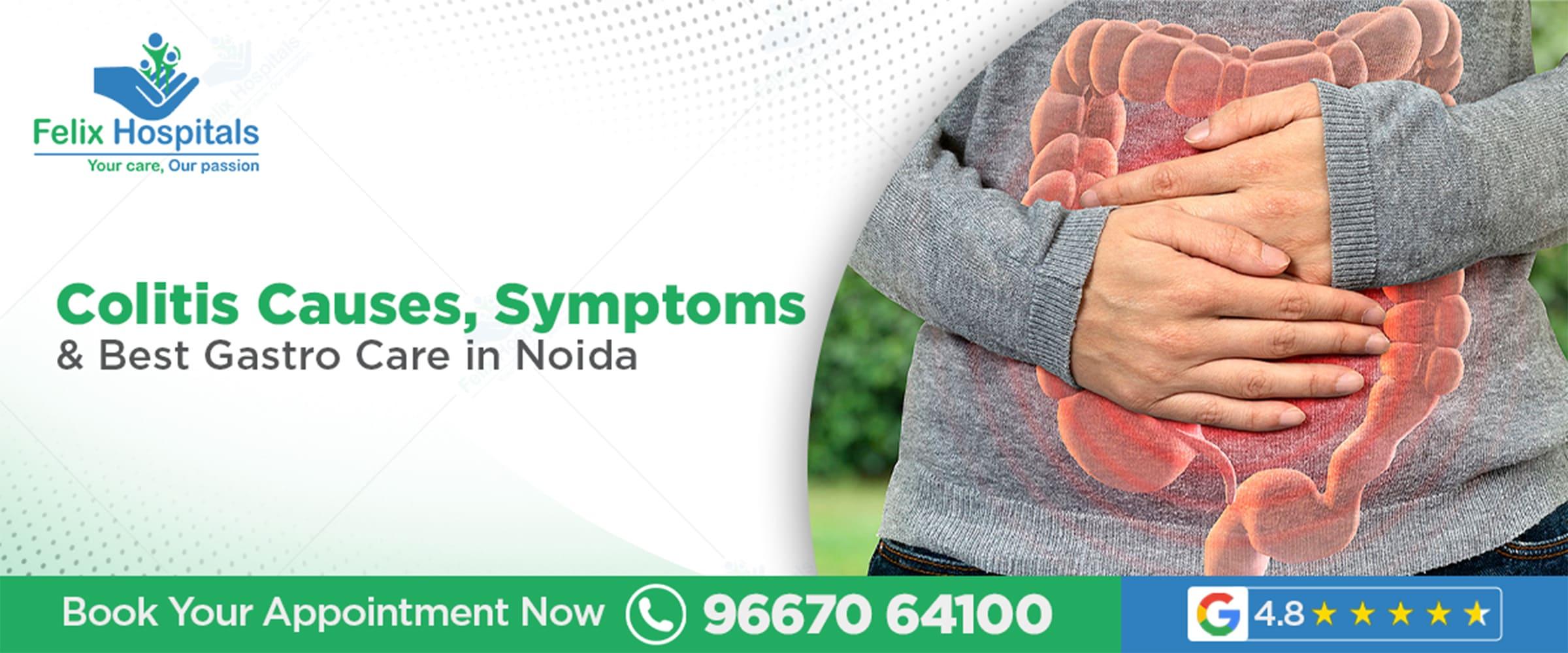
Colitis is a condition marked by inflammation of the inner lining of the colon, also known as the large intestine. This inflammation disrupts normal bowel function and can significantly affect digestion and overall quality of life. Colitis may develop suddenly or progress gradually, depending on the underlying trigger. Understanding colitis causes is essential for early diagnosis and effective management, as untreated inflammation can lead to complications such as dehydration, anemia, and intestinal damage.
Persistent diarrhea, abdominal pain, or blood in stools? Call +91 9667064100 to consult a gastroenterologist in Noida today.
Colitis refers to inflammation of the colon that interferes with water absorption and waste movement through the digestive tract. The condition may be temporary or chronic and varies widely in severity. Many patients initially ignore symptoms, but ongoing inflammation often requires evaluation by a gastroenterologist in Noida to identify the exact type and cause.
Colitis can result from infections, autoimmune disorders, reduced blood flow to the colon, or prolonged medication use. Inflammatory bowel diseases such as ulcerative colitis are also common causes. For many patients, identifying what causes colitis and how to treat it in Noida requires a combination of clinical assessment and diagnostic testing.
There are several forms of colitis, including infectious colitis, ischemic colitis, microscopic colitis, and inflammatory bowel disease–related colitis. Each type affects the colon differently and requires a tailored treatment plan. Accurate classification is critical for effective intestinal inflammation treatment and symptom control.
Symptoms vary depending on severity and cause but commonly include persistent diarrhea, abdominal cramps, bloating, urgency to pass stools, and fatigue. Some patients may also notice blood or mucus in stool. Recognizing colitis symptoms early allows timely medical care and reduces the risk of long-term complications.
Diagnosis typically involves a detailed medical history, blood tests, stool examinations, and imaging studies. In many cases, colonoscopy is performed to directly visualize inflammation and obtain biopsies. Prompt diagnosis helps initiate appropriate colitis treatment in Noida before symptoms worsen.
Treatment focuses on reducing inflammation, controlling symptoms, and addressing the underlying cause. Medications may include anti-inflammatory drugs, antibiotics, or immune-modulating therapies depending on the type of colitis. Patients benefit most when care is guided by the best doctor for colitis treatment in Noida, ensuring personalized therapy.
Diet plays a supportive role in managing colitis. Certain foods can irritate the colon during flare-ups, while others help maintain gut health. Tailored dietary guidance often complements medical therapy and enhances recovery during intestinal inflammation treatment.
Some forms of colitis are chronic and require long-term management to prevent flare-ups. Regular monitoring, medication adjustments, and lifestyle changes are essential for maintaining remission. Ongoing care under a colitis specialist in Noida helps patients manage symptoms effectively and maintain daily function.
If left untreated, colitis can lead to complications such as severe dehydration, bowel perforation, toxic megacolon, or increased cancer risk in long-standing cases. Early intervention at a best gastrology hospital in Noida significantly reduces the likelihood of such outcomes.
Severe symptoms such as high fever, continuous bleeding, or intense abdominal pain may require hospitalization. In such cases, intravenous medications, fluids, and close monitoring are necessary. Access to best gastro care in Noida ensures timely escalation of treatment when required.
Colitis often requires ongoing follow-up even after symptoms improve. Regular evaluations help monitor disease activity, adjust medications, and prevent complications. Continuous care with a gastroenterologist in Noida plays a vital role in long-term disease control.
Stress management, regular exercise, adequate hydration, and avoiding known dietary triggers can help reduce symptom frequency. These measures work alongside medical therapy to support overall digestive health and improve outcomes during colitis treatment in Noida.
Experiencing worsening colitis symptoms or frequent flare-ups? Call +91 9667064100 now to get expert gastro care in Noida.
Colitis is a manageable condition when diagnosed early and treated appropriately. Understanding its causes, recognizing symptoms, and seeking timely medical care are crucial steps toward recovery. With accurate diagnosis, tailored treatment, and expert gastroenterology support, patients can achieve symptom relief and maintain a good quality of life. Access to specialized care in Noida ensures safe, effective, and comprehensive colitis management.
Q1. Is colitis a lifelong condition?
A: Some types are temporary, while others may require long-term management depending on the cause.
Q2. Can colitis be cured completely?
A: Many cases can be controlled effectively, though chronic forms focus on long-term symptom management.
Q3. Does colitis always cause blood in stools?
A: No, blood may be present in some types, but not all patients experience this symptom.
Q4. Can stress worsen colitis symptoms?
A: Yes, stress can trigger flare-ups in certain forms of colitis.
Q5. When should I seek urgent medical help?
A: Seek immediate care if you experience severe pain, continuous bleeding, fever, or dehydration symptoms.
Expert gastroenterology care for better digestive health, offering advanced diagnosis and treatment for GERD, IBS, ulcers, and liver disorders.
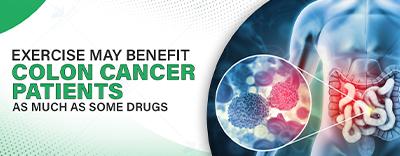
Exercise may help colon cancer patients as much as some drugs by improving survival and reducing recurrence.


Subscribe to our
© Copyright 2026. All Rights Reserved by Felix Healthcare Private Limited
Design and development by :


 +(91)9667064100
 Emergency : +(91)9667064100