 Emergency:
  WhatsApp

Subscribe to our
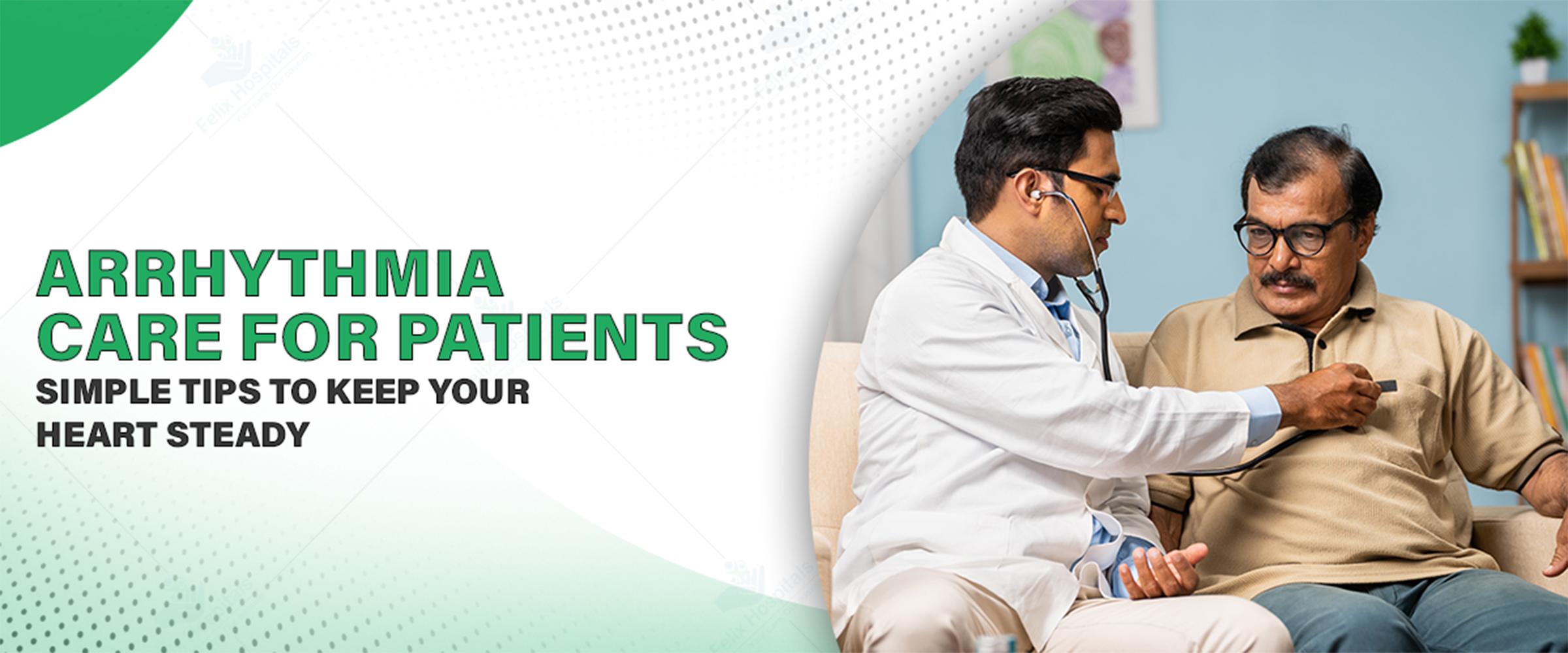
Heart arrhythmia is this disorder in which the heart beats abnormally; it may be fast, slow, or irregular. This occurs due to the inability of the electrical signals that regulate the heartbeat. The consequences of these disruptions may be harmless flutters to life-threatening events. Recognizing arrhythmia symptoms and management strategies early can have a significant impact on your health and well-being.
If you've been living with arrhythmia for a while or you were just recently diagnosed, applying what you know about how to keep your heart healthy with arrhythmia, and following best practices for managing arrhythmia, help you enjoy a better quality of life and are less likely to have serious complications. For accurate diagnosis and effective treatment, it is best to consult the best cardiologist in Noida or a heart rhythm specialist in Noida at a leading heart arrhythmia hospital in Noida. If you need care that you can trust close to home, find a heart doctor near me Noida to help you on your path toward steady heart health.
Experiencing irregular heartbeats? Get expert arrhythmia care advice—call +91 9667064100 now.
Arrhythmias can be classified into two on the basis of heart rate:
Vital signs: The patient has tachycardia (rapid heartbeat exceeding 100 bpm).
Bradycardia (heartbeat is slow, less than 60 beats per minute)
Tachycardia involves such conditions as atrial fibrillation (AFib), atrial flutter, supraventricular tachycardia, ventricular fibrillation, and ventricular tachycardia.
The most prevalent serious arrhythmia is Afib which is associated with a higher risk of stroke. Conversely, bradycardia is considered to be normal in highly fit persons but may be requiring treatment when it results in symptoms or poor blood circulation. Some of the causes include sick sinus syndrome and conduction blocks. Other premature heartbeats can be premature ventricular contractions (PVCs) or premature atrial contractions (PACs) that can be felt as missed beats and also tends to be harmless.
Common arrhythmia symptoms and management rely on identifying these warning signs:
Fast or slow pulse
Chest pain or discomfort
Breathlessness or fatigue
Lightheadedness, dizziness, or fainting.
Perspiring or anxiousness.
When you have one or more of these and are accompanied with chest pain or fainting, then attempt to get emergency care.

Arrhythmias are diagnosed with the help of some general eye examinations and heart tests, such as:
Electrocardiogram (ECG or EKG): This is a very fast and painless procedure that involves recording the heart electrical activity to identify irregular rhythms.
Holter Monitor: This is a small ECG device that is worn over 24-48 hours to record the occasional symptoms.
Echocardiogram: Ultrasound to view chambers of the heart and heart functionality.
Electrophysiology Study (EPS): Invasive mapping in order to identify areas of problem which are a cause of arrhythmia.
Stress Test: This is a test of heart performance during exercise to induce arrhythmias.
It is also useful to know what type of vision tests you need to have to be informed and therefore empowered to make a timely diagnosis.
Following arrhythmia care tips can greatly reduce episodes and complications. Key actions include:
Living a heart-healthy lifestyle: healthy eating, physical activities, obesity control, and quitting smoking.
Treating comorbid conditions such as hypertension and diabetes closely.
Staying away from stimulants like caffeine in large doses, nicotine or certain drugs.
De-stressing with mindfulness, yoga or therapy.
Taking the prescribed medications strictly such as beta-blockers, anti-arrhythmics, or anticoagulants.
Follow- up and monitoring can be used regularly to detect any change so that early preemptive action can be taken.
Treatment is based on the type and severity of arrhythmia.
Drugs - regulate the heart rate and rhythm, prevent blood clots, and minimize the symptoms
Cardioversion- the application of electrical shock to correct the heart rhythm in selected arrhythmias.
Catheter ablation, a least invasive procedure to ablate abnormal electrical pathways.
Pacemaker implantation to control bradycardia (to keep the heart rate normal).
Life-threatening ventricular arrhythmias to receive emergency shocks the implantable cardioverter-defibrillator (ICD).
Adhering to best practices for arrhythmia care maximizes efficacy and minimizes complications.
Some symptoms of arrhythmia are considered medical emergencies and they include:
Severe chest pain
Difficulty breathing
Consciousness loss or collapse.
Irregular and fast heartbeat that is weak and disoriented.
When this happens, call an emergency service. Early intervention is a life savior in such disorders as ventricular fibrillation.
With appropriate management aligning with heart health tips for arrhythmia, most patients live full, active lives. Maintaining lifestyle, seeing your check-up, and other procedures with your care team will decrease the risks of stroke, heart failure, or other complications.
Adopting a proactive approach and staying educated about arrhythmia symptoms and management empower you to recognize changes and seek timely care.
Follow the best practices for arrhythmia care with trusted cardiologists—schedule your visit at +91 9667064100.
Understanding the problems of heart arrhythmia symptoms and management allows patients to take control of their heart health. Through attentive adherence to arrhythmia care tips and best practices for arrhythmia, along with medication and lifestyle adjustments, irregular heartbeats can be managed effectively. Prevention strategies focused on heart health tips for arrhythmia and knowing how to prevent irregular heartbeat significantly reduce risk of severe cardiac events. With the best Cardiologist doctor in Noida, at the beginning of the diagnosis and full treatment, the quality of life improves, and we can now afford to live actively and healthily despite the difficulties of arrhythmia. Should you notice the abnormal beating of your heart, seek the advice of your medical professional as soon as possible to see, diagnose and receive a custom-made care.
Q1: What are the most effective lifestyle modifications to prevent arrhythmia?
Ans: A heart-friendly environment is provided by a balanced diet, reduced stress levels, no stimulants, and physical workouts.
Q2: Do arrhythmias have a permanent course, or is it possible to cure them?
Ans: There are chronic arrhythmias, and numerous ones can either be treated or greatly improved.
Q3: Are all arrhythmias treatable by medication?
Ans: There are numerous types which are treated with medications but some have to have further treatments such as ablation or implants.
Q4: How frequently should follow-ups after the diagnosis of the arrhythmia be?
Ans: It is necessary to monitor it regularly every few months or at the recommendation of your cardiologist.
Arrhythmia is a condition where the heart beats irregularly—too fast, too slow, or with an uneven rhythm. It can feel like a fluttering, racing, or skipped heartbeat.
Heart failure in women often manifests with subtle symptoms, making it easy to overlook critical warning signs.


Subscribe to our
© Copyright 2026. All Rights Reserved by Felix Healthcare Private Limited
Design and development by :


 +(91)9667064100
 Emergency : +(91)9667064100