 Emergency:
  WhatsApp



Subscribe to our

Seasonal variations cause quite evident changes in temperature, humidity, and air quality, which have a direct effect on respiratory health. Although most individuals anticipate the weather changes, the change in weather tends to cause or aggravate breathing issues particularly in cities such as Noida whereby pollution can vary greatly. The respiratory system is very sensitive to the environmental changes and the slightest change might lead to irritation in airways.
Airborne allergens such as pollen, dust and mold increase during seasonal changes especially between summer and monsoon, and monsoon and winter. Simultaneously, the spread of viral infections increases with changes in temperatures. The global respiratory health research concludes that the number of breathing problems among patients in hospitals raise by almost 25-30 percent during the season, especially among children, older people, and individuals with underlying lung related diseases.
The situation is aggravated by air pollution. Particular matter that is PM2.5 (which is often present in polluted urban air) may enter deep into lungs causing inflammation and decreased lung functionality. This implies that it is necessary to consult the best pulmonologist in Noida or the best lung specialist in Noida as soon as possible to avoid complications and ensure the manifestation of symptoms is well managed.
Are you experiencing breathlessness, wheezing, or persistent cough during weather changes? Don’t ignore these early signs—respiratory issues can worsen quickly. Call +91 9667064100 to consult a specialist in Noida today.
Understanding seasonal breathing problems helps in identifying why symptoms appear or worsen during specific times of the year. These issues involve breathing disorders that are caused by or worsened by environmental factors including change in temperature, rise in allergens, and pollutants.
With change of seasons, the respiratory system of the body requires time to adapt. Warm and humid environments might make allergens such as dust mites and molds grow more and the airways may constrict due to cold air. This mixture results in a situation where breathing is made more challenging, particularly among the people with sensitive lungs.
Medical research indicates that asthmatic and chronic obstructive pulmonary disease (COPD) patients are especially prone to illness at the time of changing the seasons. Although some of them may not have respiratory problems previously, they can even produce temporary signs of cough or congestion as a result of environmental stimuli.
By being aware of these trends, people are able to prevent such diseases and seek early treatment when there is need.
Understanding how seasonal changes affect breathing is crucial to managing respiratory health effectively.
The alteration in temperature may directly influence airway. Cold air is likely to dehydrate and dry the respiratory lining, thus inflaming and closing airways. This may result into coughing, wheezing and shortness of breath. Conversely, the extreme level of humidity in the monsoon seasons may facilitate the proliferation of allergens such as mold that cause allergic reactions.
Another significant cause is air pollution. In winter, the pollutants will increase because there is a decrease in air flow and consequently, the quality of air will be low. Such pollutants may cause irritation to the lungs, and they may be prone to infections.
There is scientific evidence to show that long-term exposure to contaminated air may lead to poor lung functioning and predispose the risk of respiratory illnesses. This is the reason it is necessary to check the air quality and to exercise precautions when the season changes.
Recognizing the common breathing problems caused by seasonal changes helps in early detection and treatment.
Common conditions include:
Asthma flare-ups
Allergic rhinitis
Bronchitis
Sinus infections
Low respiratory tract infections.
Asthma is among the most susceptible conditions in changing of seasons. Sudden attacks can be triggered by the cold air, pollen and pollution. Pollen and dust may cause allergic rhinitis that causes nasal congestion and difficulty breathing.
These periods are also characterized by the increased incidence of bronchitis and respiratory infections, especially in children and older citizens. These conditions should be recognized early enough to avoid complications and receive adequate treatment.
Recognizing the symptoms of seasonal breathing problems is essential for timely intervention.
Common symptoms include:
Shortness of breath
Wheezing
Persistent cough
Chest tightness
Nasal congestion
Sneezing
Fatigue
The symptoms can be different in different degrees based on the health status of the person and the exposure to the environment. To illustrate, an asthmatic will develop extreme breathlessness, whereas others will develop mild symptoms such as cough or congestion.
In case the symptoms have not disappeared or become even more intense, it is necessary to address a doctor to avoid complications.
The tests to diagnose respiratory problems help in identifying the cause and severity of the condition.
Test | Purpose |
spirometry | measures lung function |
chest X-ray | detects lung abnormalities |
allergy tests | identifies triggers |
blood tests | checks for infection |
oxygen saturation test | measures oxygen levels |
These diagnostic tests provide valuable insights into lung health and help doctors create effective treatment plans.
Knowing when you should see a doctor is critical for preventing serious complications.
You must consult a doctor when:
The difficulty in breathing continues for a few days.
Symptoms deteriorate with home care.
There is pain or tightness of the chest.
Coughs are longer than two weeks.
Fever is high or persistent
Late treatment may result in deterioration of respiratory diseases. Consultation early on makes sure that it is well diagnosed and acted on.
To avoid breathing difficulties in the change of season, it is possible to follow the tips, which may help to reduce the risk of respiratory problems.
Prevention can be achieved by:
Using masks in the contaminated areas.
Preventing exposure to allergens.
Practicing indoor air quality.
Staying hydrated
It has been demonstrated that respiratory infections and general lung health can be decreased by preventive measures during seasonal transitions.
Simple lifestyle changes can be made, which can enhance the health of the respiratory system and minimize symptoms.
Helpful practices include:
Physical exercise routine.
Performing breathing exercises.
Maintaining a balanced diet
Prevention of smoking and pollutants.
The habits enhance lung capacity and health
Medical assistance of a professional has a major role in the treatment of breathing issues.
Medical care provides:
Accurate diagnosis
Individualized care programs.
Monitoring of symptoms
Complications prevention.
Early intervention is beneficial and results in a better life.
Struggling with breathing problems during seasonal changes? Don’t wait for symptoms to worsen—get expert care today. Call +91 9667064100 to consult a specialist in Noida now..
The issue of breathing difficulties in cases of change of seasons is not new but can be resolved with due awareness and care. Understanding seasonal breathing problems, knowing how seasonal changes affect breathing, and recognizing when should you see a doctor? are essential for maintaining respiratory health.
Being guided by the best pulmonology Hospital in Noida and the best lung specialist in noida, individuals can successfully cope with the symptoms and avoid complications. Measures that help in preventing diseases, early diagnosis and lifestyle changes are important towards healthy breathing.
Yes, recurring breathlessness during seasonal changes may indicate an underlying respiratory condition like asthma or allergies. You should consult a doctor for proper evaluation.
If symptoms are persistent, worsening, or affecting daily activities, they may require medical attention rather than being just seasonal.
Mild symptoms can be managed with precautions, but severe or recurring issues require medical consultation.
Seek immediate help if you experience severe breathlessness, chest pain, or difficulty speaking.
Avoid triggers, maintain good indoor air quality, stay hydrated, and consult a doctor if symptoms appear.
Dr. Priyadarshi Jitendra Kumar is an experienced General Practitioner with 20+ years of expertise in diabetes, thyroid disorders, hypertension, and infectious diseases. Recognized as a Best Pulmonologist in Noida, he specializes in respiratory emergencies, sleep disorders, and advanced pulmonology care.
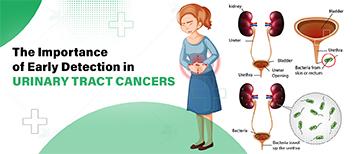
For those experiencing such symptoms, seeking care from the best hospital for pulmonology treatment in Noida ensures you receive timely and expert diagnosis and treatment.
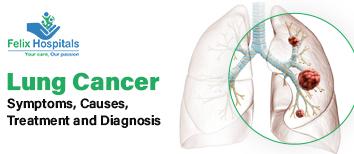
Lung cancer is a serious condition that starts in the lungs and can spread to other parts of the body.
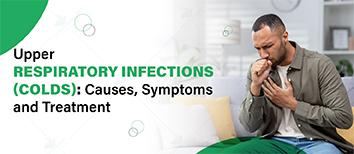
These viruses spread primarily through respiratory droplets released into the air when an infected person sneezes or coughs.


Subscribe to our
© Copyright 2026. All Rights Reserved by Felix Healthcare Private Limited
Design and development by :


 +(91)9667064100
 Emergency : +(91)9667064100