 Emergency:
  WhatsApp



Subscribe to our
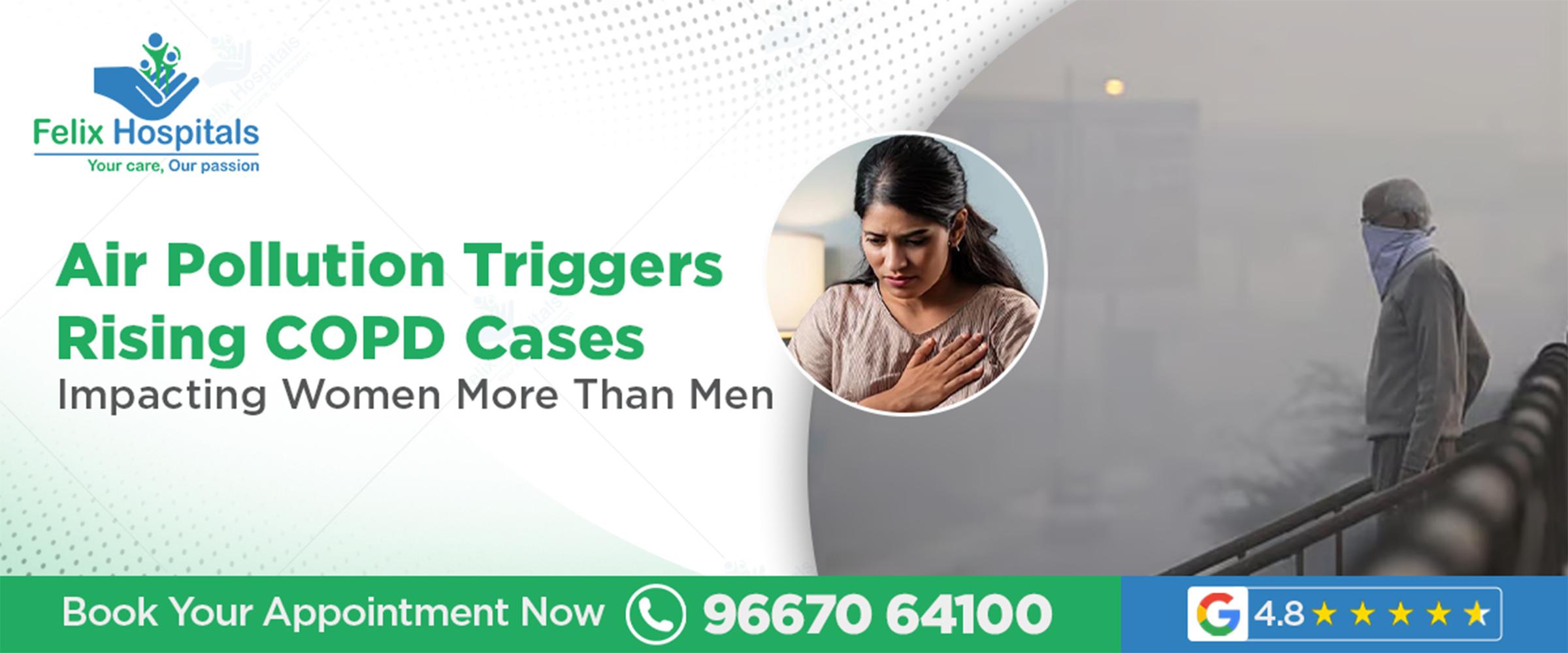
COPD is becoming a significant health issue of the general population in India, and its rates of occurrence are on the alarming increase based on the direct association with the growing air pollution. Although COPD was once a disease that was mostly thought to affect male smokers, the current statistics have turned out to be alarming, as women including the non-smokers are being diagnosed more and more. This is being felt more keenly in urban centres, such as Noida, because of the pollution of the outdoors, the exposure of indoor air to smoke, and the long-term inhalation of fine particulate matter.
The timely diagnosis will help avoid the long-term damage and will help to increase quality of life. Book your pulmonology appointment at +91 9667064100 to receive the best COPD treatment in Noida.
Air pollution and COPD incidence India women emphasise the adverse effects of long-term exposure of lung tissue, airway constriction, and chronic inflammation due to polluted air. COPD is progressing slowly and involves chronic bronchitis and emphysema both of which decrease air circulation and oxygen mobility.
The nitrogen dioxide, sulphur dioxide, ozone, and PM2.5 pollutants spread deep into the lungs, speeding up lung aging and exposing even the non-smoking population to the disease.
Air pollution exposure chronic obstructive pulmonary disease female susceptibility is becoming a central concern as women spend more cumulative hours exposed to indoor and outdoor pollutants. Emissions in the air in the urban traffic, the dust of construction as well as the smokes of industry have rendered the quality breathable air a rarity.
The chronic lung damage, leading to the symptoms of COPD appearing sooner, is being caused by year-round pollution, not seasonal peaks, in such cities as Noida.
Air pollution COPD women vs men research shows that women's lungs are biologically more sensitive to airborne toxins. Women also usually possess smaller airways so that the identical level of pollution leads to greater damage on the concentration relative to men.
Hormonal causes can also play a role in inflammation whereby female lungs are more sensitive to pollutants in the case of long exposure.
Gender difference COPD risk air pollution studies indicate that women develop COPD at lower exposure thresholds than men. Although the males were historically at a higher risk, because of changing lifestyles and exposure to the environment, the gender gap has been bridged and in some instances overturned.
The non-smoking women who are exposed to polluted air now account to a considerable percentage of new Indian COPD cases.
PM2.5 COPD non-smokers women is one of the most alarming trends in respiratory medicine. The PM2.5 is very minute and it may evade the natural defences of the body thus getting stuck far to the deepest part of the lungs and blood.
Air pollution today is one of the biggest COPD initiators in women, regardless of whether they have a smoking history, and with long-term exposure, the body starts to encounter a gradual deterioration of lung function.Indoor air pollution remains a major but often ignored cause of COPD in Indian women. The use of biomass fuels, lack of good ventilation in the kitchen, use of incense smoke, and mosquito coils as well as indoor dust are major contributors to exposure.
They inhale such pollutants daily over years; women mostly homemakers and old ladies spend their years suffering chronic lung damage.
Air pollution COPD exacerbation gender differences show that women experience more frequent and severe COPD flare-ups during periods of high pollution. Such exacerbations frequently lead to dyspnea, chest discomfort, chronic cough, as well as enhanced hospitalisation.
Recurrent attacks hasten the disease and decrease the quality of life.
A lot of women ignore symptoms that appear at the onset thinking that they are just tired or that it is a seasonal cold. Warning signs include:
Persistent cough
Dyspnea when carrying out routine activities.
Chest heaviness
Numerous respiratory infections.
Wheezing
The neglected signs result in a delay in diagnosis and an exacerbation of the long-term outcome.
COPD among women is not taken seriously in respect of air pollution because of late diagnosis. Women do not seek timely care due to social conditioning, fear of not knowing or attributing their symptoms to aging or anemia. The damage to the lungs might be progressed by the time medical attention is sought.
COPD diagnosis involves:
Spirometry (pulmonary function).
Chest imaging
Oxygen saturation tests
History of exposure analysis.
As soon as COPD occurs, it is possible to identify it and ensure that the disease is managed when it is not severe.
Therapy is aimed at symptoms control and disease progression slowness:
Inhaled bronchodilators
Anti-inflammatory medications
Oxygen therapy (in very severe cases)
Environmental change and lifestyle change.
The prevention of exposure to pollutants is an important aspect of the treatment.
The prevention measures are:
Using air purifiers indoors
It should not expose itself to outdoor activity during the peak hours of pollution.
Wearing protective masks
Enhancing ventilation of the kitchen.
Lung health examinations every now and then.
Early intervention has a strong positive outcome in the long-term.
Special treatment ensures proper diagnosis, individual inhaler therapy, and long-term follow-ups. Follow-ups are also useful in avoiding exacerbation and preserving lung function.
In case the symptoms continue to occur or increase, there should be no delay in specialist examination.
Other than the physical symptoms, COPD has impacts on mental health, independence, and participation in social activities. Anxiety, a lack of mobility and dependence are usually observed in women when the disease remains untreated at an early stage. Comprehensive treatment addresses both physical and mental health.
If you or a loved one are experiencing breathlessness, chronic cough, or breathing problems caused by pollution, expert treatment is essential. Book an appointment with the Best Pulmonologist in Noida today +91 9667064100.
Air pollution is no longer a mere issue of the environment however a severe respiratory disease pandemic particularly to women. Rising air pollution COPD women vs men trends show that female lungs are bearing a disproportionate burden of chronic exposure to toxic air. Since smog outdoors is harmful, so are indoor biomass fuels, long-term inhalation of which is slowly destroying our lungs. Education, early detection, and timely treatment of pulmonology should be used to reduce this increasing menace and safeguard the respiratory health of women in cities such as Noida.
COPD has ceased being a disease of smokers. COPD can be developed in non-smokers through exposure to air pollution, indoor cooking smoke, dust, chemical fumes, or even second hand smoking. Millions of women in India have COPD due to smoke of biomass fuels in the kitchens that lack proper ventilation after years of exposure. Even without taking a single cigarette puff your lungs can be damaged due to the addition of indoor smoke as well as in a polluted city where you might have been exposed to smoke over the years.
The bad news is that COPD cannot be completely reversed since it is irreversible as the lung damage is permanent. However, early diagnosis and treatment can stop the disease from progressing, which is going to contribute greatly to the quality of your life and avoid life-threatening complications. Drugs, respiratory therapy, diet changes, and minimising the amount of pollution can allow you to breathe more easily and enjoy many more years of a full life. The trick is an early detection before it is too late to do anything about it.
The shortness of breath on exertion is dubbed as normal ageing but it constitutes one of the first indications of COPD. Healthy aging does not cause significant breathlessness during routine activities. When you find yourself needing to avoid doing the activities that leave you out of breath, when you feel the need to stop and have a few breaths often, then you need to have a spirometry test done to rule out the functionality of your lungs. There is a good therapeutic option of COPD at an early stage.
Yes, however, when you wear the appropriate kind of mask in the correct way. Normalised cloth or surgical masks are not effective in filtering PM2.5. You must have an N95 or N99 mask which fits tightly around your face without any leaks. Wearing it on high days of pollution all the time and especially when outside can help limit your exposure significantly. Yet, masks do not suffice and it is just as significant to enhance the quality of indoor air using purifiers and not leave home during the rush hours.
Not all genetic diseases are passed directly like COPD and which is why there is a slight higher tendency of developing COPD in case your parents have it particularly when you share the same environmental peculiarity such as pollution or indoor smoke. The greater hazard is the kind of exposure you have had to pollutants over the years. The people living in the same polluted region, cooking on the same fuel, or even having the same lifestyle habits can also increase your chance of taking risks. Annual lung health examinations, exposure to pollutants can be greatly decreased now and will go a long way in reducing the future risk of contracting COPD.
Dr. Priyadarshi Jitendra Kumar is an experienced General Practitioner with 20+ years of expertise in diabetes, thyroid disorders, hypertension, and infectious diseases. Recognized as a Best Pulmonologist in Noida, he specializes in respiratory emergencies, sleep disorders, and advanced pulmonology care.

These viruses spread primarily through respiratory droplets released into the air when an infected person sneezes or coughs.
Expert pulmonologists in Noida provide treatment and prevention tips for respiratory infections. Stay informed and healthy.


Subscribe to our
© Copyright 2026. All Rights Reserved by Felix Healthcare Private Limited
Design and development by :


 +(91)9667064100
 Emergency : +(91)9667064100