 Emergency:
  WhatsApp

Subscribe to our
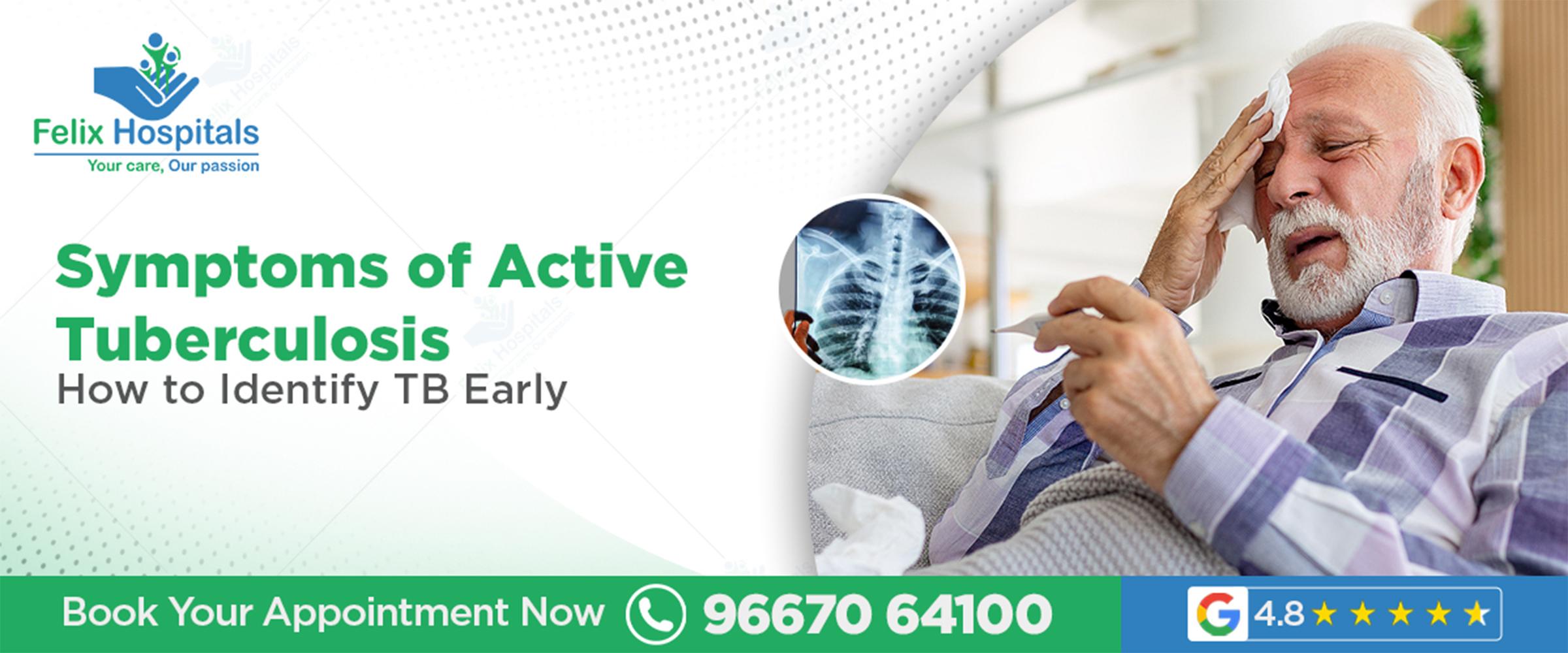
Tuberculosis has been around for centuries, yet it continues to claim over a million lives each year. What makes this particularly troubling is that TB is both preventable and curable, the real issue is late identification. Many people will live with them for weeks if not months until they realize that they have a problem at all by which time they may have already exposed others or done more damage within themselves.
Active TB doesn't always announce itself with fireworks. A lot of people start out quietly a cough that won’t go away, feeling more tired than usual, breaking out in sweats at night. These things are simple to lump into the category of a seasonal virus or fatigue. But there are things you can look for that can really save lives.
If you or someone close to you has been experiencing unexplained respiratory or systemic symptoms, consulting a specialist at the Best Pulmonology Hospital in Noida can make the difference between a full recovery and long-term complications. Call on +91 9667064100
Tuberculosis (TB) is a communicable disease caused by the bacillus Mycobacterium tuberculosis. The majority of people exposed to it don't get sick right away — the bacteria can lie dormant in the body for years in a condition called latent TB. It becomes active TB when the immune system is compromised and the bacteria can no longer be contained. At that stage, the disease also becomes symptomatic and infectious.
According to the WHO, TB is one of the top 10 causes of death globally and the leading infectious disease killer after COVID-19.
Source url: https://www.who.int/news-room/fact-sheets/detail/tuberculosis
People who have active TB can release the bacteria into the air by coughing, sneezing or speaking.
Lungs are the most common site of infection but practically any organ can be involved.
It is fully treatable if identified early and managed appropriately.
Drug-resistant TB may arise because of incomplete or erratic treatment.
The symptoms of tuberculosis in the mild stage are the least obvious, and that is the main reason why many cases are not diagnosed in the early stage. Watch for the following symptoms, particularly if they last longer than two to three weeks:
A cough that just won't go away
Low-grade fever that is elevated in the late afternoon or at night
Soaking night sweats that you wake up from
Unexplained fatigue that isn't relieved by rest
Slow and unintentional weight loss
These signs mimic a lot of common diseases, so TB is very often misdiagnosed initially. If you have two or three of these features together and there is no obvious cause, then you should get tested.
Because TB mainly affects the lungs, respiratory symptoms are the most notable. These are:
A persistent cough that brings up mucus — and sometimes blood
Sharp pain or tightness in your chest when you breathe in deeply or cough
Breathless on exertion
Difficult or wheezing breathing, or a feeling of tightness in the chest
Coughing up blood (haemoptysis) is a very frightening symptom and needs urgent medical help. It doesn’t always mean TB, but it’s never something to ignore.
TB does not always remain in the lungs. When it affects other organs, it is known as extrapulmonary TB, and its symptoms can be mistaken for those of other diseases.
Lymph nodes: Swollen, hard lumps under the skin in the neck or armpits, which are painless or mildly painful.
Back (Pott's disease): Persistent pain in the back, most commonly in the mid or lower back, which may be accompanied by difficulty walking or numbness in the legs.
Brain (TB meningitis): Severe and progressively worsening headaches, light sensitivity, confusion, and in severe cases, seizures. This type develops rapidly and is a medical emergency.
Kidneys: Urine that contains blood, pain during urination, or flank pain that is not clearly related to urination.
Because extrapulmonary TB presents like other diseases, it is frequently diagnosed late. Unusual persistence of these symptoms, especially in combination with fatigue and weight loss, warrants seeing a specialist.
Anyone can get TB, but the risk of active disease is substantially higher for:
People with HIV/AIDS, where the immune system is greatly weakened
People with diabetes as it impairs the ability of the body to fight infection
People who are malnourished or have nutritional deficiencies
Smokers and people who drink heavily
Anyone who has been in close, extended contact with a TB patient
People who live in crowded or poorly ventilated conditions
Healthcare professionals working in high-risk environments
If you are in any of these groups and have unexplained symptoms, you should seek active screening.
TB is spread through the air. When a person with active pulmonary TB coughs, sneezes, sings or even talks, the bacteria are released into the air in very small droplets. People living near them might then breathe in those droplets and contract the disease.
Places where TB is most likely to spread:
Crowded households with poor ventilation
Prisons and shelters
Closed public transportation
And crucially, TB is not transmitted by touch, by sharing food or by contact with surfaces.
If TB is suspected, your doctor will advise you to have one or more of the following tests:
Chest X-ray -Often the initial step, reveals typical patterns of lung damage.
Sputum test -A sample of mucus is tested for TB bacteria; the most certain test for pulmonary TB.
Mantoux (TB skin) test - A small amount of tuberculin purified protein derivative (PPD) is injected just under the skin to look for an immune reaction to TB.
IGRA blood test -A newer blood test that detects immune response.
CT scan - When X-ray results are inconclusive or extrapulmonary TB is suspected.
Biopsy - In some cases for nodal or tissue TB.
Which tests are used will depend on the form of TB that is suspected and the general health of the patient. Early and correct diagnosis is the prerequisite for good treatment.
The good news is that TB is very treatable when detected early. There are several types, and the standard treatment combination of antibiotics depends on the type and severity over 6 to 9 months.
Treatment usually includes:
A multi-drug therapy (generally Isoniazid, Rifampicin, Pyrazinamide and Ethambutol in the initial phase)
Regular sputum tests and follow-up visits to monitor progress
Nutritional supplementation since there is a great physical wasting associated with TB,
Early infectious patients are isolated to restrict the spread of the disease
Once the treatment starts, it should be completed without fail even if one starts feeling better in the early stages of the treatment. Otherwise the TB can evolve into drug-resistant TB (MDR-TB), which is much more difficult and costly to treat.
Whether you are in treatment or trying to prevent TB activation from a latent infection, your daily habits matter significantly.
Eat balanced diet with adequate protein to support immune function
Get enough sleep your body repairs and protects itself while you’re resting
Don’t smoke it directly destroys lung tissue and compromises immunity
Cut back on or give up the alcohol, which depresses the immune system
Control chronic diseases such as diabetes under medical care
Be as active as you can within your level of energy.
Delaying diagnosis or abandoning treatment has serious consequences:
Irreversible scarring and damage to lung tissue
Spread of infection to the spine, brain, or kidneys
Development of drug-resistant TB strains
Increased risk of transmission to family members and close contacts
In severe cases, TB can be fatal
None of these outcomes are inevitable. All of them are preventable with timely action.
Book an appointment without delay if you have:
A cough lasting more than two weeks that is not improving
Any blood in your sputum or mucus
Unexplained weight loss over a few weeks
Persistent fever and night sweats together
Ongoing fatigue that rest does not relieve
Swollen lumps in your neck or armpits
You do not need all of these symptoms to seek care. Even two or three together are enough reason to get evaluated. Book a TB consultation in Noida call at +91 9667064100
Vaccination: The BCG vaccine is given to infants in high-TB-burden countries and provides meaningful protection, particularly against severe forms in children.
Practical steps:
Cover your mouth and nose when coughing or sneezing - and encourage others to do the same
Ensure rooms are well-ventilated, especially in shared spaces
Get tested if you have been in close contact with a TB patient
If diagnosed with latent TB, discuss preventive therapy with your doctor
Complete vaccination schedules for children as recommended
Public health and personal hygiene work together and individual actions protect entire communities.
Active tuberculosis is serious, but it is not a death sentence. With early recognition, accurate diagnosis, and a completed course of treatment, the vast majority of patients recover fully. The biggest obstacle is not the disease itself, it is the delay in seeking care.
If anything in this article sounds familiar, a cough that lingers, fatigue that will not lift, sweats in the night take it seriously. Early action protects you, and it protects the people around you.
The team at the Best Pulmonology Hospital is equipped with advanced diagnostic tools and experienced specialists. Reaching out to them could be the most important step you take for your lung health.
Do not let uncertainty hold you back. A simple screening test could give you clarity and if TB is found early, treatment is straightforward and highly effective.
Book your TB screening appointment today because your lungs, and the people you love, are worth it. Call at +91 9667064100
Yes, it could be. Not every TB case presents with fever, especially in the early stages. A persistent cough alone particularly one that is not responding to standard treatment is reason enough to get a sputum test and chest X-ray. Do not wait for additional symptoms to appear.
Yes. A previous TB infection does not provide lifelong immunity. If your immune system weakens due to illness, medication, or stress a new infection or reactivation of latent TB is possible. If you have been exposed again or notice familiar symptoms, see your doctor promptly.
You should get screened as soon as possible, even if you feel completely fine. Household contacts of TB patients are at significantly higher risk. Your doctor may test you for latent TB and may recommend preventive treatment depending on the results.
Once a patient has been on treatment for about two to three weeks and their sputum tests negative, they are generally no longer infectious. Before that point, precautions like wearing masks and improving ventilation are important. Your doctor will advise on specific safety measures for your situation.
Children can and do develop TB, and their symptoms can be subtler than in adults — more weight loss, less obvious cough, and general decline in energy. If your child's symptoms have persisted for more than two weeks or they have been around someone with TB, please get them evaluated by a pediatrician or pulmonologist without delay.
Dr. Priyadarshi Jitendra Kumar is an experienced General Practitioner with 20+ years of expertise in diabetes, thyroid disorders, hypertension, and infectious diseases. Recognized as a Best Pulmonologist in Noida, he specializes in respiratory emergencies, sleep disorders, and advanced pulmonology care.
Tuberculosis (TB) is primarily known as a respiratory infection caused by Mycobacterium tuberculosis, but it can affect various body parts, including bones and joints.
Tuberculosis of the knee typically occurs when the TB bacteria spread from an existing infection in the lungs or another part of the body to the joint.
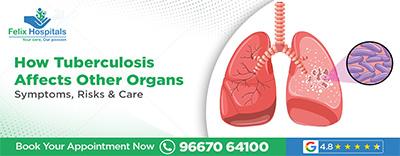
Tuberculosis (TB) can spread beyond the lungs and affect organs like the brain, spine, kidneys, and lymph nodes.
Urine leakage while coughing, also known as stress incontinence, is a common condition affecting many, especially women.


Subscribe to our
© Copyright 2026. All Rights Reserved by Felix Healthcare Private Limited
Design and development by :


 +(91)9667064100
 Emergency : +(91)9667064100