 Emergency:
  WhatsApp

Subscribe to our
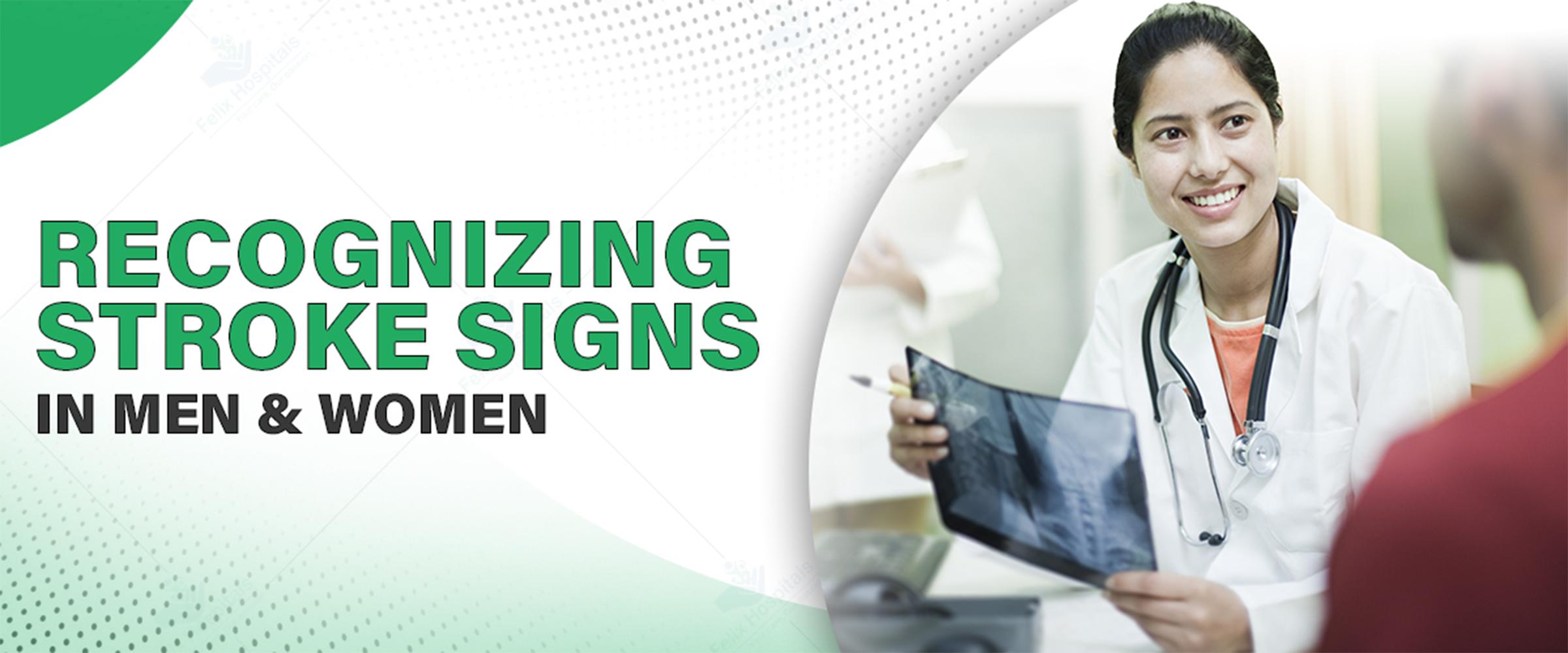
A stroke occurs when the supply of blood to the brain is interrupted by a blockage of a clot (ischemic stroke) or by bleeding (hemorrhagic stroke). Stroke can be diagnosed on the spot as immediate hospital care avoids prolonged disability as well as improves prospects for a speedy recovery. Stroke symptoms do not necessarily manifest in women as they do in men, so increasing awareness becomes doubly imperative.
In a situation when safe, warm, and personalized rest in a familiar place becomes a necessity, Best Hospital for Stroke can provide the best combination of skilled attention and comfort. Identification of the main stroke warning signs forms the initial step towards taking immediate action that will be effective.
Live professional homecare in Noida and receive safe, customized attention on each level of recovery. Call now on +91 9667064100.
Each second matters when a stroke happens. Brain cells will die after a few minutes without oxygen, and the later the treatment begins, the more the chance that the brain will suffer irreversible damage. Early recognition of stroke enables you to rush, summon help, and initiate prompt treatment.
Apart from this, after bringing the primary crisis under control, numerous patients need permanent rehabilitation as well as observation. That's where professional neurologist in Noida becomes an irreplaceable element of recuperation after a stroke so that attention doesn't stop when hospital doors close.
The simplest approach towards recognizing stroke is by remembering the word:
FAST:
F – Face drooping: Sudden weakness or numbness, often noticeable when one side of the face droops while smiling.
A – Weakness in the arm: Incapacity to raise an arm or both arms due to weakness or numbing.
S – Speech impairment: Slurred or indistinct speech, or inability to comprehend others.
T – It is time to do something: Seek help if you experience these symptoms.
Sudden confusion or inability to comprehend simple directions.
Inability to walk or lack of balance.
Vision difficulties in an eye or two eyes.
Sudden severe headache without an evident cause.
Even if the primary symptoms of stroke do not change, some differences do arise as regards men and women showing the condition.
Numbness or weakness on one side of the body.
Speech slurring or inability to converse.
Abrupt loss of coordination.
Drooping of the face.
Women can feel other less common symptoms as follows:
Sudden nausea or vomiting.
General tiredness or fatigue.
Shortness of breath.
Sudden agitation or confusion or disorientation.
Since these symptoms can mimic other disease states, women's stroke becomes more challenging to diagnose with a subsequent late presentation for care.
Some risk factors apply equally across both sexes:
High blood pressure
High cholesterol
Obesity
Heavy alcohol use and tobacco smoking
Inactivity in physical activity
But women can also place themselves more vulnerable by:
Pregnancy complications
Combined hormonal contraception, smoking
Menopause-related changes
Elevated rates of autoimmune disorders prevalence
Knowing these risk factors keeps you more alert in recognizing stroke in an early stage.
If a stroke is suspected, immediate medical attention must be sought. Diagnostic tests can be:
CT or MRI scans to diagnose brain injury.
Blood tests to check for clotting or underlying issues.
Clinical and neurologic tests for muscle strength and reflexes.
Early medical attention—like clot-dissolving medication for ischemic strokes or surgery in a few cases—will frequently reduce late damage.
The recovery of stroke does not end when the care provided at the hospital ends. Most patients remain in the healing process over a period of months or years and rehabilitation is part of the process of gaining self-sufficiency. Noida personalized homecare focuses on providing the following services:
Home based physiotherapy to regain strength and coordination
The speech therapy of individuals with the communication disorder.
Nursing services in drug administration, wound treatment, and vital monitoring.
Occupational therapy to get the patients used to everyday activities and become more independent.
Care of patient, and caregiver, emotional and mental health.
The integrative approach permits the healing process to occur in a comfortable but secure environment that restricts the tensions by focusing on the central aspects of health.
Making sure that there is a stroke to prevent is as important as post-stroke rehabilitation. Your risk can be decreased by behavioral changes and medical treatment:
Look after your blood pressure.
Examine blood glucose and lipid profiles.
Cessation of smoking and alcohol intake.
Eat a healthy diet that is full of vegetables, fruits, and whole grains.
Exercise frequently, if by gentle means such as walking or yoga.
Adherence to medication prescribed.
Patients and their kin can avail professional direction with homecare services in Noida, where skilled attendants can help monitor habits of lifestyle as well as provide for prolonged recovery.
Don't wait for the recovery—find gentle and skilled homecare services now and get hospital-standard care closer to you in the comfort of your own home. Call now +91 9667064100.
Identification of men's and women's stroke warning signs is crucial because minutes make a difference in the preservation of brain function and quality of life. Although more typical warning signs such as drooping face, weakness in the arm, and slurred speech are commonalities, women can often encounter more unusual warning signs that cannot be dismissed.
Once crisis care has been provided, the recovery process begins—and here's where Noida specializes in homecare. By bringing medical knowledge, rehabilitative therapies, and psychological support to the safety and comfort of your own home, stroke victims can recover more safely and securely.
If you or a family member has had a stroke, call now, get help fast, and explore full hospital near me options that make rehabilitation more than just a possibility but a positive empowerment.
Q1. How can I determine if a person back home has had a stroke?
Ans. Look for abrupt onset symptoms such as drooping face, weakness in the arm, slurred speech. Obtain immediate emergency attention if you notice any such symptom. Remember the FAST approach.
Q2. What do I need to do first if a family member has stroke symptoms?
Ans. Call emergency medical services immediately. Do not wait for symptoms to resolve on their own. Quick action can help preserve brain function and even save your life.
Q3. Is post-stroke recovery a candidate for homecare?
Ans. In fact, under professional monitoring, a homecare can offer speech therapy, physiotherapy, nursing care, as well as psychosocial support—in the patient's own home.
Q4. How long will recovery after a stroke normally require?
Ans. Recovery differs for each patient. Some recover in weeks, some require months or years of rehabilitation. Regular therapy and care help improve outcomes.
Q5. Is a subsequent stroke avoidable in the home milieu?
Ans. Indeed. With adequate observation of cholesterol, diabetes, and blood pressure, as well as healthy lifestyle modifications, a subsequent stroke can be prevented. Homecare-trained caregivers can accompany these precautionary measures.
Q6. How can they facilitate stroke recovery back home?
Ans. Even close family members can do their part by encouraging physical activity, maintaining a stress-free environment, regular scheduling of medicine, and professional homecare in Noida for supervised physical rehabilitation.
Advanced neurosurgery improves treatment for brain and spine disorders with better outcomes.
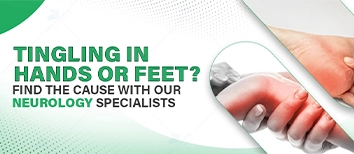
Experiencing tingling in your hands or feet? It could signal a nerve-related issue. Consult our expert neurologists at Felix Hospitals to find the cause and get the right treatment today.

Subscribe to our
© Copyright 2026. All Rights Reserved by Felix Healthcare Private Limited
Design and development by :


 +(91)9667064100
 Emergency : +(91)9667064100